


Happiness & Success
Achieving Happiness Through Acceptance of Life
The quest for happiness often leads to frustration, as many fail to realize that the...








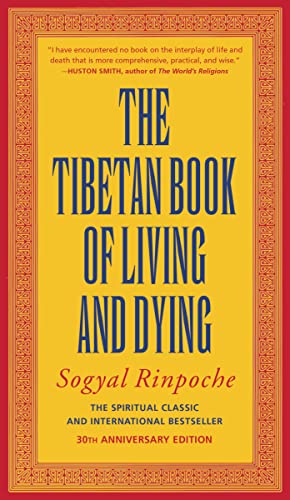
Ancient Tibetan wisdom meets contemporary life in this profound exploration of what many consider life's greatest mystery and most powerful teacher: our mortality. Far from being morbid or depressing, this teaching reveals how understanding death can completely transform how we live, offering readers a practical path to finding meaning, peace, and authentic joy in every moment.
Drawing from centuries of Tibetan Buddhist teachings and meditation practices, this comprehensive guide presents a radical yet deeply compassionate perspective on the entire cycle of existence. Readers discover that death is not an ending to be feared but a natural transition that, when properly understood, can illuminate our entire life journey. The wisdom shared here has sustained Tibetan culture through tremendous upheaval and offers modern readers practical tools for facing life's most challenging moments with courage and grace.
The exploration begins by examining how contemporary culture's denial of death impoverishes our lives, creating anxiety and preventing us from living fully. Through vivid storytelling, personal anecdotes from years of spiritual practice, and accessible explanations of complex philosophical concepts, readers learn how embracing impermanence paradoxically leads to greater appreciation of life's preciousness. This isn't abstract philosophy but immediately applicable wisdom that changes how we approach relationships, work, loss, and daily challenges.
Read more ▼
The quest for happiness often leads to frustration, as many fail to realize that the...

Reaching sixty can evoke complex emotions, blending relief with ongoing ambition. This...

The quest for life's purpose often leads to unsatisfactory answers. This article...

Imagine going through one of the most physically and emotionally demanding experiences...

Romantic love is a complex emotion shaped by historical, cultural, and biological...

Daily actions often conflict with personal beliefs due to past experiences. By utilizing...

Have you ever argued over something that wasn't actually said? From cultural differences...

Therapists often use dream interpretation to delve into patients' emotions, but true...