


Happiness & Success
Achieving Happiness Through Acceptance of Life
The quest for happiness often leads to frustration, as many fail to realize that the...








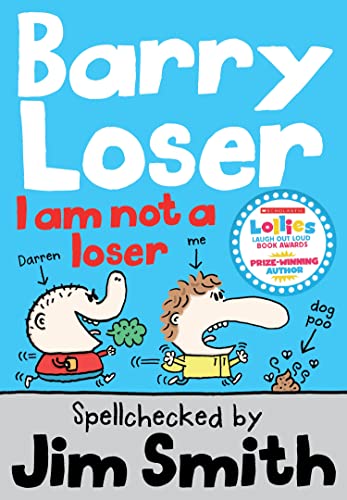
Young people face enormous pressure to conform, to be "cool," and to measure their worth against impossible social standards. The crushing weight of feeling like an outsider, of not fitting into predetermined boxes of success and popularity, affects countless children as they navigate the complex social landscape of growing up. This humorous yet profoundly insightful story tackles these universal challenges head-on, offering readers of all ages a refreshing perspective on self-acceptance, resilience, and the courage to embrace authenticity.
At the heart of this narrative lies a powerful message about reframing negative labels and reclaiming personal power. The protagonist navigates a world where peers are quick to judge, where social hierarchies seem immovable, and where one's surname or quirks can become ammunition for ridicule. Yet through clever observations, quick wit, and an irrepressible spirit, readers witness how external judgments need not define internal worth. The journey becomes a masterclass in emotional intelligence, demonstrating how humor and self-awareness can transform potentially damaging experiences into opportunities for growth and self-definition.
What makes this exploration particularly valuable for personal empowerment is its accessible approach to complex psychological concepts. Young readers discover that their internal narrative matters far more than external opinions. The story illustrates how perspective shapes reality—what others perceive as failures or shortcomings can be reinterpreted through a lens of individuality and creative thinking. This cognitive reframing represents a fundamental skill in building resilience and maintaining positive self-image in the face of adversity.
Read more ▼
Dr. Marni Feuerman

Marianne Williamson
The quest for happiness often leads to frustration, as many fail to realize that the...

Reaching sixty can evoke complex emotions, blending relief with ongoing ambition. This...

The quest for life's purpose often leads to unsatisfactory answers. This article...

Romantic love is a complex emotion shaped by historical, cultural, and biological...

Imagine going through one of the most physically and emotionally demanding experiences...

Have you ever argued over something that wasn't actually said? From cultural differences...

Daily actions often conflict with personal beliefs due to past experiences. By utilizing...

Therapists often use dream interpretation to delve into patients' emotions, but true...