
Happiness & Success
Achieving Happiness Through Acceptance of Life
The quest for happiness often leads to frustration, as many fail to realize that the...









Journey back to a pivotal moment in human history when the world came together in unprecedented unity, cooperation, and shared vision. The Great Exhibition of 1851 represented far more than a showcase of industrial achievement—it embodied humanity's capacity to transcend borders, celebrate diversity, and recognize our fundamental interconnectedness. This remarkable documentation of that historic gathering offers modern readers profound insights into the relationships that bind us across cultures, generations, and time itself.
Originally created as a gift for young minds, this treasure presents the magnificent spectacle of the Crystal Palace exhibition through eyes filled with wonder and possibility. Within these pages lies something deeper than mere historical record: a mirror reflecting timeless truths about how we relate to one another, how we build community, and how we create shared meaning in an increasingly complex world. For readers on a path of personal growth and conscious living, these accounts of international cooperation and cultural exchange provide a powerful framework for understanding our current moment and our relationships with others.
The Exhibition itself was born from a radical vision of peace and partnership. Prince Albert and his collaborators imagined a gathering where nations would set aside rivalry and instead celebrate their unique contributions to human civilization. This foundational principle—that diversity strengthens rather than divides us—resonates powerfully with contemporary seekers working to build bridges in their own communities and relationships. The detailed descriptions of pavilions from dozens of countries demonstrate how acknowledging and honoring differences creates richer, more meaningful connections.
Read more ▼
Elizabeth Levang
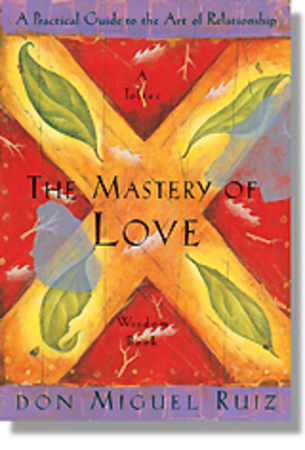
Don Miguel Ruiz
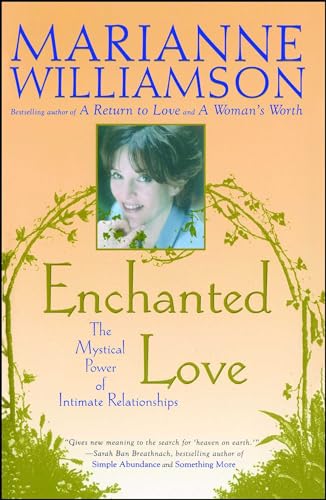
Marianne Williamson
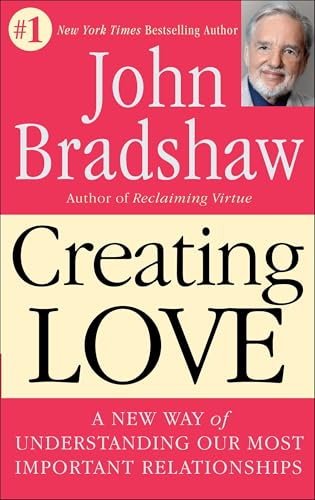
Bradshaw, John
The quest for happiness often leads to frustration, as many fail to realize that the...

Reaching sixty can evoke complex emotions, blending relief with ongoing ambition. This...

The quest for life's purpose often leads to unsatisfactory answers. This article...

Romantic love is a complex emotion shaped by historical, cultural, and biological...

Imagine going through one of the most physically and emotionally demanding experiences...

Daily actions often conflict with personal beliefs due to past experiences. By utilizing...

Have you ever argued over something that wasn't actually said? From cultural differences...

Therapists often use dream interpretation to delve into patients' emotions, but true...