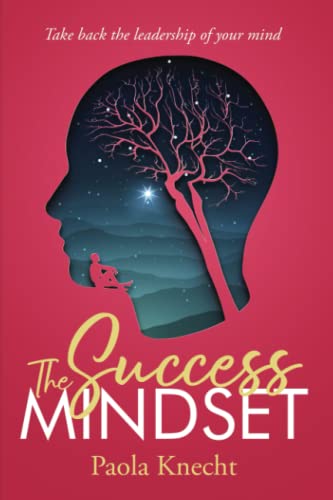

Happiness & Success
Achieving Happiness Through Acceptance of Life
The quest for happiness often leads to frustration, as many fail to realize that the...








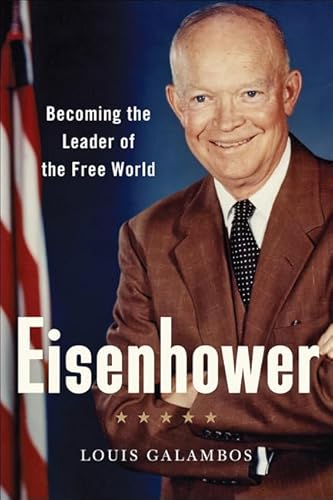
Leadership in times of profound uncertainty requires more than tactical skill—it demands wisdom, emotional intelligence, and an unwavering commitment to principled decision-making. Through an illuminating examination of Dwight D. Eisenhower's life and presidency, readers discover a masterclass in personal effectiveness, collaborative leadership, and the art of maintaining one's integrity while navigating complex institutional challenges.
At the heart of this exploration lies a profound paradox: how can someone appear understated, even humble, while simultaneously wielding immense influence and driving transformative change? Eisenhower's approach to leadership defied the conventional wisdom of his era and continues to challenge our assumptions about power today. Rather than ruling through autocratic decree or charismatic dominance, he developed a sophisticated understanding of organizational dynamics, human psychology, and strategic patience that enabled him to accomplish far more than his critics ever imagined.
Readers embarking on this journey will discover how Eisenhower cultivated what might be called "hidden-hand leadership"—a deliberate approach that prioritized results over recognition, substance over spectacle. This methodology offers profound lessons for anyone seeking to create meaningful change in their professional or personal spheres. By studying how he managed competing egos, navigated bureaucratic obstacles, and maintained focus on long-term objectives despite short-term pressures, readers gain practical frameworks for their own leadership challenges.
Read more ▼
Thomas Merton

Steven Forrest

Lynda Madden Dahl, Cathleen Kaelyn
The quest for happiness often leads to frustration, as many fail to realize that the...

Reaching sixty can evoke complex emotions, blending relief with ongoing ambition. This...

The quest for life's purpose often leads to unsatisfactory answers. This article...

Romantic love is a complex emotion shaped by historical, cultural, and biological...

Imagine going through one of the most physically and emotionally demanding experiences...

Daily actions often conflict with personal beliefs due to past experiences. By utilizing...

Have you ever argued over something that wasn't actually said? From cultural differences...

Therapists often use dream interpretation to delve into patients' emotions, but true...