
Happiness & Success
Achieving Happiness Through Acceptance of Life
The quest for happiness often leads to frustration, as many fail to realize that the...








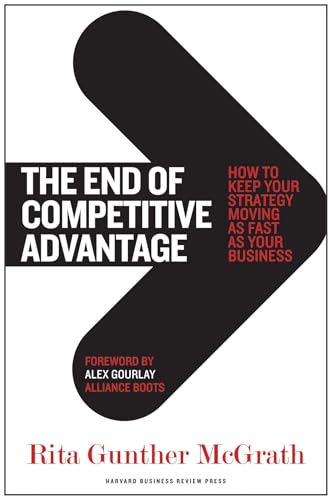
The landscape of business and career success has fundamentally shifted, and understanding this transformation is essential for anyone seeking to thrive in today's rapidly changing world. Traditional approaches to building competitive advantage relied on establishing a strong position and defending it for years, sometimes decades. That era has ended. We now live in a time of constant disruption where the very ground beneath our professional feet shifts continuously, demanding new ways of thinking about success, strategy, and personal empowerment.
At the heart of this new reality lies a profound truth: sustainable competitive advantage has become a myth. Markets move too quickly, technologies evolve too rapidly, and competitors emerge too unexpectedly for anyone to build an impregnable fortress around their success. This applies equally to massive corporations and to individuals navigating their careers. The skills that brought you success five years ago may be obsolete today. The business model that seemed unshakeable can crumble in months rather than years.
Rather than viewing this constant change as threatening, this groundbreaking perspective reframes volatility as opportunity. The key insight is learning to thrive on continuous transformation rather than resisting it. Success in this new environment requires developing what might be called "transient advantage" – the ability to create waves of innovation, ride them skillfully, and then gracefully move on to the next opportunity before the current one peaks and declines.
Read more ▼
Karen R. Koenig

David R. Hawkins

Arthur K. Shapiro, Elaine Shapiro

Dreaming on Both Sides of the Brain: Discover the Secret Language of the Night
Doris E. Cohen, Ph.D.
The quest for happiness often leads to frustration, as many fail to realize that the...

Reaching sixty can evoke complex emotions, blending relief with ongoing ambition. This...

The quest for life's purpose often leads to unsatisfactory answers. This article...

Imagine going through one of the most physically and emotionally demanding experiences...

Romantic love is a complex emotion shaped by historical, cultural, and biological...

Daily actions often conflict with personal beliefs due to past experiences. By utilizing...

Have you ever argued over something that wasn't actually said? From cultural differences...

Therapists often use dream interpretation to delve into patients' emotions, but true...