
Happiness & Success
Achieving Happiness Through Acceptance of Life
The quest for happiness often leads to frustration, as many fail to realize that the...








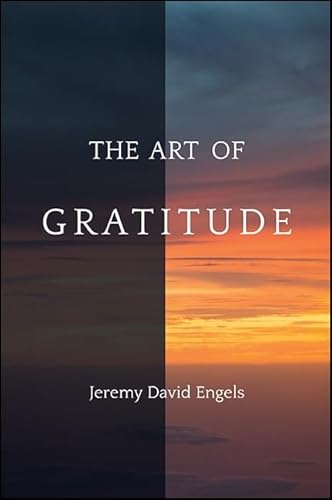
Gratitude stands as one of humanity's most ancient and powerful practices, yet in our modern age of distraction and discontent, we've largely forgotten how to cultivate it meaningfully. This groundbreaking exploration reveals gratitude not merely as a fleeting feeling or polite gesture, but as a transformative art form that requires intention, practice, and deep understanding of its historical and philosophical roots.
Drawing from over two thousand years of Western thought, this work traces gratitude's evolution from classical antiquity through the Enlightenment and into contemporary times. Readers discover how ancient philosophers, religious thinkers, and political theorists understood gratitude as essential to the good life and the flourishing society. By examining figures from Cicero to Seneca, from medieval Christian theologians to Enlightenment philosophers, a rich tapestry emerges showing gratitude as far more complex and consequential than our current shallow interpretations suggest.
What makes this exploration particularly valuable for those on a path of personal transformation is its examination of gratitude as a practice that shapes not only individual consciousness but also our relationships and communities. Rather than presenting gratitude as simple positive thinking or a quick-fix happiness technique, readers encounter it as a discipline requiring genuine cultivation. The text illuminates how gratitude involves recognizing our interdependence with others, acknowledging the gifts we receive daily, and responding with genuine appreciation that transforms both giver and receiver.
Read more ▼
Marilyn C. Barrick
Sarah McLean

John Gray
Jonathan Hammond
The quest for happiness often leads to frustration, as many fail to realize that the...

Reaching sixty can evoke complex emotions, blending relief with ongoing ambition. This...

The quest for life's purpose often leads to unsatisfactory answers. This article...

Romantic love is a complex emotion shaped by historical, cultural, and biological...

Imagine going through one of the most physically and emotionally demanding experiences...

Daily actions often conflict with personal beliefs due to past experiences. By utilizing...

Have you ever argued over something that wasn't actually said? From cultural differences...

Therapists often use dream interpretation to delve into patients' emotions, but true...