

Happiness & Success
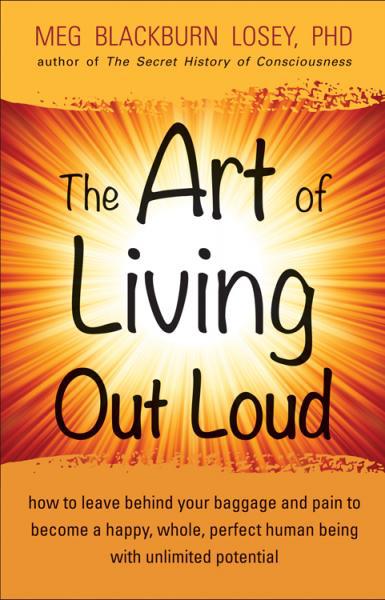
Achieving Happiness Through Acceptance of Life
The quest for happiness often leads to frustration, as many fail to realize that the...









Behind the walls of one of New York City's most insular Hasidic communities lies a world few outsiders ever glimpse—a realm governed by centuries-old traditions, strict religious laws, and rigid gender roles that dictate every aspect of daily life. This powerful memoir pulls back the curtain on this cloistered existence, offering readers an intimate look at what it means to grow up in a society where individual choice is virtually nonexistent, where women's voices are systematically silenced, and where questioning the established order can mean losing everything you've ever known.
Growing up in the Satmar sect of Hasidic Judaism in Williamsburg, Brooklyn, meant living according to rules that controlled everything from clothing and hairstyles to education, marriage, and even thoughts. For young women in particular, the restrictions were suffocating. Secular education was discouraged, reading English books was forbidden, and preparing to become an obedient wife and mother was the sole acceptable aspiration. The narrative reveals how intellectual curiosity was viewed as dangerous, how individuality was crushed before it could bloom, and how an entire community could exist in modern-day America while remaining culturally centuries behind.
What makes this account particularly compelling is its unflinching honesty about the psychological cost of living in such an environment. Readers gain insight into the internal struggle between loyalty to family and community versus the fundamental human need for self-determination and authenticity. The journey described here is one of awakening—of slowly realizing that the absolute truths presented as unquestionable might actually be questioned, that the walls meant to protect might actually be prison bars, and that there might be a different kind of life waiting beyond the boundaries of everything familiar.
Read more ▼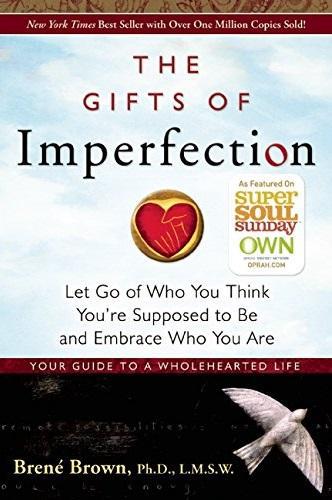
Brené Brown

American College Of Veterinary Behaviorists
The quest for happiness often leads to frustration, as many fail to realize that the...

Reaching sixty can evoke complex emotions, blending relief with ongoing ambition. This...

The quest for life's purpose often leads to unsatisfactory answers. This article...

Imagine going through one of the most physically and emotionally demanding experiences...

Romantic love is a complex emotion shaped by historical, cultural, and biological...

Daily actions often conflict with personal beliefs due to past experiences. By utilizing...

Have you ever argued over something that wasn't actually said? From cultural differences...

Therapists often use dream interpretation to delve into patients' emotions, but true...