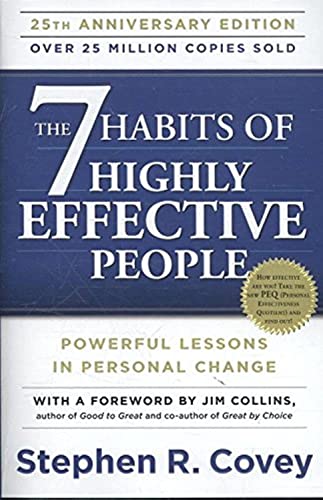
Imagine having a framework for personal and interpersonal effectiveness that transcends temporary fixes and quick solutions, offering instead a paradigm shift in how you approach every aspect of your life. This groundbreaking work presents seven timeless principles that serve as a comprehensive approach to personal development, professional success, and meaningful relationships.
At its core, this transformative guide distinguishes between personality-based approaches to success and character-based approaches. While our culture often emphasizes quick techniques and surface-level skills, the philosophy presented here goes deeper, focusing on fundamental principles that govern human effectiveness. These aren't merely tips or tricks but universal truths that, when internalized and practiced, create lasting change from the inside out.
The journey begins with three habits focused on personal mastery and moving from dependence to independence. The first principle encourages readers to take complete responsibility for their lives, recognizing that between stimulus and response lies the freedom to choose. This proactive mindset shifts individuals from reactive victims of circumstance to empowered creators of their destiny. Rather than blaming external factors, readers learn to focus their energy on what they can influence and control.
The second foundational principle involves beginning every endeavor with a clear vision of the desired outcome. This means identifying core values and principles, then using them as a compass for decision-making. Readers discover how to create a personal mission statement that serves as a constitution for their lives, ensuring that daily activities align with deeply held beliefs and long-term aspirations.
Building on this foundation, the third principle addresses prioritization and time management in a revolutionary way. Rather than simply managing time more efficiently, readers learn to organize activities based on importance rather than urgency. This quadrant-based approach to priorities helps individuals focus on activities that truly matter, preventing the constant firefighting that leaves so many people exhausted and unfulfilled.
The next three habits shift focus to interdependence and building effective relationships. The fourth principle introduces the abundance mentality, moving beyond competitive win-lose thinking to seek solutions where all parties benefit. This paradigm challenges the scarcity mindset that believes one person's success requires another's failure, opening possibilities for creative cooperation and synergy.
The fifth habit presents perhaps one of the most challenging yet transformative communication skills: seeking first to understand before seeking to be understood. This empathic listening approach requires setting aside personal agendas and truly hearing what others communicate. Most people listen with the intent to reply rather than understand, but genuine listening creates connection, trust, and opens pathways to real influence.
The sixth principle explores how differences, when valued and leveraged properly, create something greater than the sum of individual contributions. This synergistic approach to teamwork and collaboration celebrates diversity of thought and perspective, recognizing that disagreement and different viewpoints aren't obstacles but opportunities for innovation and breakthrough solutions.
The final habit emphasizes continuous renewal across four dimensions: physical, mental, emotional, and spiritual. Like sharpening a saw, regular investment in personal growth and self-care maintains and increases capacity for effectiveness. This principle prevents burnout and ensures sustainable success rather than temporary achievement followed by collapse.
Throughout, readers encounter practical exercises, real-world examples, and reflective questions that facilitate deep personal insight. The principles aren't presented as abstract theory but as actionable practices that can be implemented immediately in work, family, and community contexts.
What makes these teachings particularly powerful is their universal applicability. Whether leading an organization, parenting children, building friendships, or pursuing personal goals, these habits provide a reliable framework for effectiveness. They address the whole person, recognizing that true success integrates all aspects of life rather than compartmentalizing professional achievement from personal fulfillment.
For those on a journey of personal transformation, these principles offer more than self-improvement techniques. They represent a philosophy of life grounded in timeless values like integrity, dignity, service, and human worth. The habits build upon each other progressively, creating a holistic approach to becoming not just more effective but more authentic, balanced, and aligned with one's highest potential.