
Happiness & Success
Achieving Happiness Through Acceptance of Life
The quest for happiness often leads to frustration, as many fail to realize that the...









Gratitude transforms our relationship with ourselves and the world around us, and discovering this truth can begin at any age. Through the innocent eyes of a young Indigenous child, readers are invited to explore the profound connection between noticing life's simple pleasures and experiencing deep, authentic happiness. This beautifully illustrated work bridges cultures and generations, offering wisdom that resonates equally with children discovering their emotional landscape and adults seeking to reconnect with their capacity for joy.
The narrative follows a child's journey through moments of pure contentment, each observation rooted in the natural world, family connections, and cultural traditions. These moments aren't grand or dramatic; they're quietly powerful experiences that many of us overlook in our hurried modern lives. The child finds happiness in the warmth of laughter, the beauty of nature's colors, the strength found in family bonds, and the pride of cultural heritage. Each page presents an opportunity to pause and recognize that happiness isn't something to be chased or achieved but rather something to be noticed and felt in the present moment.
What makes this approach particularly valuable for readers interested in personal growth is its foundation in Indigenous wisdom and perspectives. The content reflects a worldview that honors interconnectedness, the sacredness of the natural world, and the importance of gratitude as a daily practice. These aren't abstract philosophical concepts but lived experiences expressed through a child's genuine observations. This perspective offers readers from all backgrounds an opportunity to expand their understanding of wellness and emotional health beyond Western psychological frameworks.
Read more ▼
Barbara Kingsolver

Man's Search for Meaning, Gift Edition
Viktor E. Frankl

Change the story of your health
Carl Greer
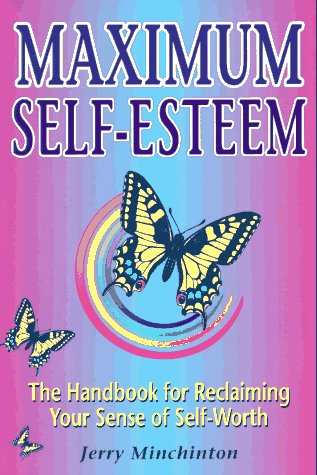
Jerry Minchinton
The quest for happiness often leads to frustration, as many fail to realize that the...

Reaching sixty can evoke complex emotions, blending relief with ongoing ambition. This...

The quest for life's purpose often leads to unsatisfactory answers. This article...

Romantic love is a complex emotion shaped by historical, cultural, and biological...

Imagine going through one of the most physically and emotionally demanding experiences...

Daily actions often conflict with personal beliefs due to past experiences. By utilizing...

Have you ever argued over something that wasn't actually said? From cultural differences...

Therapists often use dream interpretation to delve into patients' emotions, but true...