
Happiness & Success
Achieving Happiness Through Acceptance of Life
The quest for happiness often leads to frustration, as many fail to realize that the...








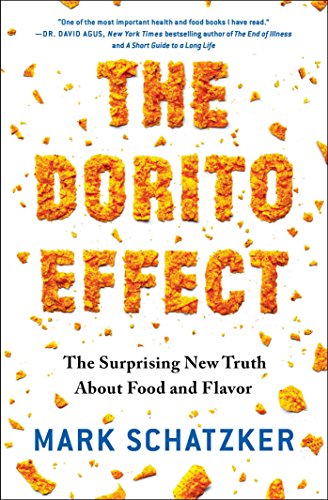
Modern food has lost its way, and our bodies are paying the price in ways we're only beginning to understand. What was once a natural, intuitive process of nourishment has become confused by an elaborate shell game played by the food industry, where flavor and nutrition have been systematically divorced from one another with profound consequences for our health, our waistlines, and our relationship with what we eat.
At the heart of this illuminating investigation lies a deceptively simple observation: real food doesn't taste like much anymore. A chicken breast from 1950 and one from today might look similar, but they're worlds apart in flavor. The same is true for tomatoes, strawberries, and virtually everything else we consume. Through industrial farming practices focused solely on yield, shelf life, and appearance, we've bred the flavor right out of our food. A modern tomato might be perfectly round and flawlessly red, but it tastes like wet cardboard compared to its ancestor.
Here's where things get truly fascinating and deeply troubling. As natural flavors disappeared from our food supply, synthetic flavors flooded in to fill the void. These laboratory-created compounds can make anything taste like anything else. A chip can taste like a steak. A yogurt can taste like a cheesecake. But here's the critical problem: our bodies evolved over millions of years to use flavor as a reliable guide to nutrition. Sweetness signaled calories. Savory richness indicated protein. These weren't arbitrary preferences but survival mechanisms that helped our ancestors seek out the nutrients they needed.
Read more ▼
Jonathan Brostoff

Daisaku Ikéda

Dick Van Dyke

Vicki Robin
The quest for happiness often leads to frustration, as many fail to realize that the...

Reaching sixty can evoke complex emotions, blending relief with ongoing ambition. This...

The quest for life's purpose often leads to unsatisfactory answers. This article...

Imagine going through one of the most physically and emotionally demanding experiences...

Romantic love is a complex emotion shaped by historical, cultural, and biological...

Daily actions often conflict with personal beliefs due to past experiences. By utilizing...

Have you ever argued over something that wasn't actually said? From cultural differences...

Therapists often use dream interpretation to delve into patients' emotions, but true...