
Happiness & Success
Achieving Happiness Through Acceptance of Life
The quest for happiness often leads to frustration, as many fail to realize that the...









America's promise of opportunity and upward mobility stands at a critical crossroads, and understanding this shift holds profound implications for anyone committed to creating positive change in their community and their own life. Through meticulous research spanning decades and drawing on both statistical analysis and deeply personal narratives, this work illuminates how the landscape of opportunity has dramatically transformed over the past half-century, creating a growing chasm between children born into different economic circumstances.
The exploration begins with a nostalgic yet revealing look at a small Midwestern town in the 1950s, where children from different economic backgrounds attended the same schools, played in the same neighborhoods, and had roughly similar chances of achieving success regardless of their parents' income. This portrait of relative equality serves as a stark contrast to today's reality, where zip codes and family income levels increasingly determine a child's trajectory from birth through adulthood. The personal stories woven throughout bring statistical realities to life, showing real families struggling with challenges that would have been unimaginable a generation ago.
Readers will discover how the opportunity gap manifests across multiple dimensions of childhood and adolescence. The analysis examines family structure and stability, revealing how single parenthood and relationship instability disproportionately affect lower-income families, creating environments where children face significant additional stressors. The investigation extends to parenting practices, documenting how affluent parents increasingly invest enormous amounts of time, attention, and financial resources in their children's development, while working-class parents face overwhelming obstacles that limit their ability to provide similar support despite their deep love and commitment.
Read more ▼
Gillian Kemp
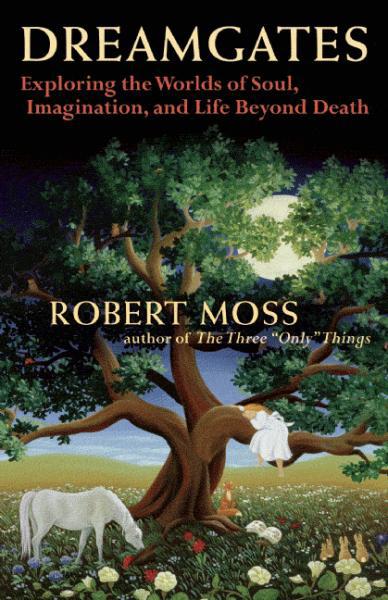
Moss, Robert

Toni Morrison
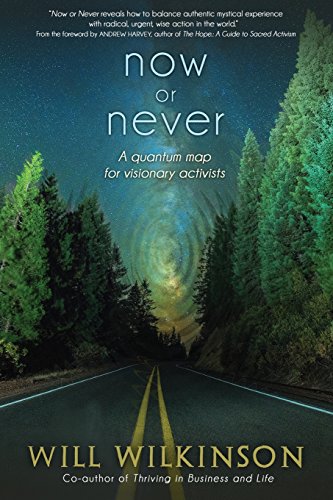
Will Wilkinson
The quest for happiness often leads to frustration, as many fail to realize that the...

Reaching sixty can evoke complex emotions, blending relief with ongoing ambition. This...

The quest for life's purpose often leads to unsatisfactory answers. This article...

Imagine going through one of the most physically and emotionally demanding experiences...

Romantic love is a complex emotion shaped by historical, cultural, and biological...

Daily actions often conflict with personal beliefs due to past experiences. By utilizing...

Have you ever argued over something that wasn't actually said? From cultural differences...

Therapists often use dream interpretation to delve into patients' emotions, but true...