
Happiness & Success
Achieving Happiness Through Acceptance of Life
The quest for happiness often leads to frustration, as many fail to realize that the...








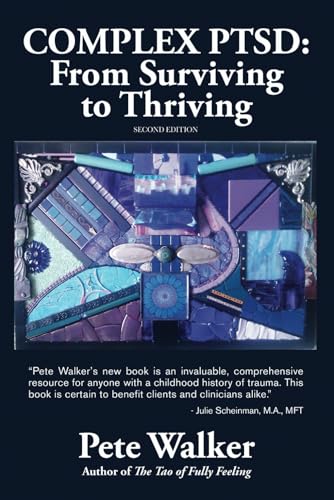
Understanding the lasting impact of childhood trauma represents one of the most crucial journeys toward healing and wholeness that many adults will ever undertake. For those who experienced prolonged emotional abuse, neglect, or abandonment during their formative years, the resulting psychological wounds create patterns that persist far into adulthood, often manifesting in ways that seem mysterious and overwhelming. This comprehensive guide illuminates a condition that affects millions yet remains widely misunderstood: the complex form of post-traumatic stress that develops not from a single incident, but from ongoing relational trauma during childhood.
Unlike the PTSD that results from discrete traumatic events, this more intricate form emerges from sustained periods of emotional abandonment and abuse within the family system. Children who grow up without adequate emotional support, who face consistent criticism or neglect, or who must navigate unpredictable and frightening caregivers develop a constellation of symptoms that traditional PTSD frameworks fail to fully capture. These survivors often struggle with profound difficulties in relationships, emotional regulation, self-esteem, and their fundamental sense of safety in the world.
The exploration begins by distinguishing between single-incident trauma and the pervasive developmental trauma that reshapes a child's entire personality structure. Readers discover how repeated experiences of fear, shame, and abandonment during critical developmental periods literally rewire the nervous system, creating hypervigilance, toxic shame, and a crushing inner critic that continues its assault long after childhood ends. The detailed explanation of emotional flashbacks—sudden overwhelming floods of emotions from the past that hijack the present moment—provides profound insight into experiences that many have endured without understanding.
Read more ▼
Becky Chambers BS.MEd.

Niki J. Senior

Nathaniel Altman
Susan Shumsky
The quest for happiness often leads to frustration, as many fail to realize that the...

Reaching sixty can evoke complex emotions, blending relief with ongoing ambition. This...

The quest for life's purpose often leads to unsatisfactory answers. This article...

Romantic love is a complex emotion shaped by historical, cultural, and biological...

Imagine going through one of the most physically and emotionally demanding experiences...

Daily actions often conflict with personal beliefs due to past experiences. By utilizing...

Have you ever argued over something that wasn't actually said? From cultural differences...

Therapists often use dream interpretation to delve into patients' emotions, but true...