




Happiness & Success
Achieving Happiness Through Acceptance of Life
The quest for happiness often leads to frustration, as many fail to realize that the...








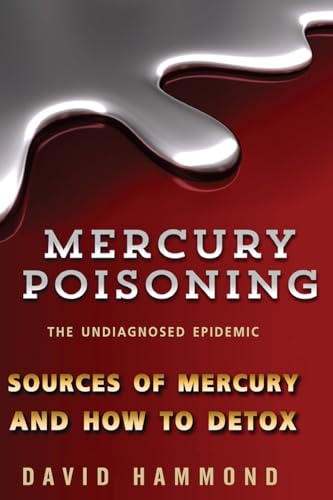
Heavy metal toxicity remains one of the most overlooked yet potentially devastating health challenges facing modern society. Among the various toxic metals that can accumulate in human tissue, mercury stands out as particularly insidious, capable of disrupting virtually every system in the body while often evading proper diagnosis for years or even decades. Understanding the sources, symptoms, and solutions for mercury exposure represents a crucial step toward reclaiming personal health and vitality in an increasingly toxic world.
Mercury contamination occurs through multiple pathways that most people encounter regularly without awareness. Dental amalgam fillings, which contain approximately fifty percent mercury, release vapor every time you chew, brush your teeth, or consume hot beverages. Fish consumption, particularly of larger predatory species like tuna, swordfish, and shark, introduces methylmercury into the body. Vaccines containing thimerosal, certain cosmetics, fluorescent light bulbs, and industrial pollution all contribute to the overall burden. The cumulative effect of these exposures can be profound, yet conventional medicine often fails to recognize or adequately address the connection between mercury and chronic illness.
The symptoms of mercury poisoning present a bewildering array of complaints that span physical, neurological, and psychological domains. Chronic fatigue, brain fog, memory problems, mood disturbances, tremors, insomnia, digestive issues, and immune dysfunction all commonly appear in those suffering from mercury toxicity. Because these symptoms overlap with countless other conditions, affected individuals often spend years seeking answers, undergoing numerous tests, and trying various treatments without addressing the underlying cause. The journey toward identifying mercury as the culprit requires persistence, education, and often a willingness to look beyond mainstream medical approaches.
Read more ▼
The quest for happiness often leads to frustration, as many fail to realize that the...

Reaching sixty can evoke complex emotions, blending relief with ongoing ambition. This...

The quest for life's purpose often leads to unsatisfactory answers. This article...

Romantic love is a complex emotion shaped by historical, cultural, and biological...

Imagine going through one of the most physically and emotionally demanding experiences...

Have you ever argued over something that wasn't actually said? From cultural differences...

Daily actions often conflict with personal beliefs due to past experiences. By utilizing...

Therapists often use dream interpretation to delve into patients' emotions, but true...