


Happiness & Success
Achieving Happiness Through Acceptance of Life
The quest for happiness often leads to frustration, as many fail to realize that the...








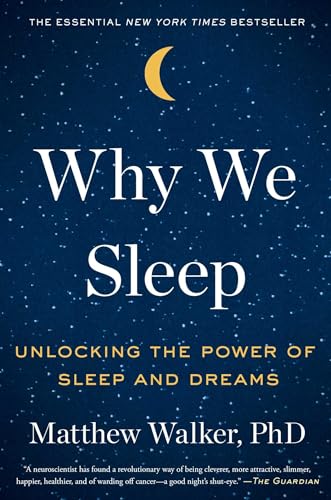
Sleep is one of the most fundamental yet misunderstood pillars of human health and wellbeing. Despite spending approximately one third of our lives in this mysterious state, modern society has developed a troubling relationship with rest, often treating it as an inconvenient necessity rather than the profound biological imperative it truly represents. This comprehensive exploration of sleep science reveals how this nightly ritual is far more than simple downtime for the brain and body—it is an extraordinarily sophisticated and essential process that touches every aspect of our physical health, mental clarity, emotional balance, and longevity.
Through decades of cutting-edge research and clinical studies, readers discover the intricate mechanisms underlying sleep's various stages, from the lighter phases where we drift in and out of consciousness to the deep, restorative slow-wave sleep and the vivid dream-filled REM periods. Each stage serves distinct and irreplaceable functions, working together in a delicate choreography that repairs tissues, consolidates memories, regulates hormones, processes emotions, and literally cleanses the brain of toxic metabolic waste products that accumulate during waking hours.
The far-reaching consequences of sleep deprivation emerge as one of the most alarming revelations. Even modest reductions in sleep duration—the kind that millions of people experience regularly through early alarm clocks, late-night work sessions, or digital device use before bed—can have profound effects on health. Immune function becomes compromised, making us more vulnerable to illness. The risk of cardiovascular disease, diabetes, and obesity increases substantially. Cognitive performance declines across all measures, from reaction time to creative problem-solving. Perhaps most troubling, chronic sleep loss has been linked to increased risks of Alzheimer's disease, cancer, and psychiatric conditions including depression and anxiety.
Read more ▼
The quest for happiness often leads to frustration, as many fail to realize that the...

Reaching sixty can evoke complex emotions, blending relief with ongoing ambition. This...

The quest for life's purpose often leads to unsatisfactory answers. This article...

Imagine going through one of the most physically and emotionally demanding experiences...

Romantic love is a complex emotion shaped by historical, cultural, and biological...

Daily actions often conflict with personal beliefs due to past experiences. By utilizing...

Have you ever argued over something that wasn't actually said? From cultural differences...

Therapists often use dream interpretation to delve into patients' emotions, but true...