
Happiness & Success
Achieving Happiness Through Acceptance of Life
The quest for happiness often leads to frustration, as many fail to realize that the...








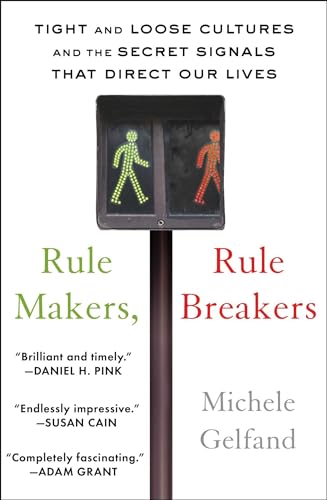
Every society operates according to an invisible force that shapes how people think, behave, and interact with one another. Some cultures maintain strict social norms where deviation is met with swift disapproval, while others embrace flexibility and individual expression. Understanding this fundamental divide offers profound insights into personal empowerment, helping readers navigate their own lives with greater awareness and intention.
At the heart of this exploration lies a groundbreaking framework that categorizes cultures along a spectrum from tight to loose. Tight cultures enforce rules rigorously, maintain clear expectations for behavior, and prioritize order and coordination. Loose cultures allow for greater latitude in personal expression, tolerate ambiguity, and celebrate diversity of thought and action. This distinction isn't merely academic—it permeates every aspect of our daily existence, from workplace dynamics to family relationships, from political leanings to personal habits.
Readers embarking on this journey will discover how historical threats, population density, resource scarcity, and natural disasters have shaped whether societies developed tight or loose social norms. Nations that faced frequent threats—whether from invaders, disease, or environmental catastrophes—typically evolved tighter social structures to ensure survival through coordination and discipline. Meanwhile, societies blessed with abundant resources and relative safety developed looser norms that permitted greater experimentation and individual freedom.
Read more ▼
Carlos Castaneda
Shakti Gawain
Dr. Marni Feuerman
George Burr Leonard, George Leonard
The quest for happiness often leads to frustration, as many fail to realize that the...

Reaching sixty can evoke complex emotions, blending relief with ongoing ambition. This...

The quest for life's purpose often leads to unsatisfactory answers. This article...

Romantic love is a complex emotion shaped by historical, cultural, and biological...

Imagine going through one of the most physically and emotionally demanding experiences...

Have you ever argued over something that wasn't actually said? From cultural differences...

Daily actions often conflict with personal beliefs due to past experiences. By utilizing...

Therapists often use dream interpretation to delve into patients' emotions, but true...