

Happiness & Success
Achieving Happiness Through Acceptance of Life
The quest for happiness often leads to frustration, as many fail to realize that the...








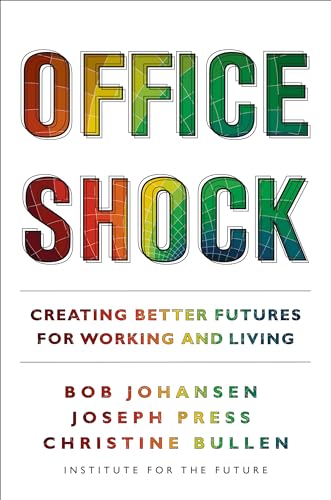
The landscape of work has undergone a seismic transformation that extends far beyond simple remote versus office debates. What we're experiencing represents a fundamental reimagining of how, where, and why we work—a shift so profound it challenges every assumption we've held about professional life. This essential guide illuminates the path forward through what may be the most disorienting workplace transition in modern history.
At the heart of this transformation lies a critical question that affects every working person: How do we create meaningful, productive professional lives when all the old rules have been shattered? The pandemic accelerated changes that were already brewing beneath the surface, but now we face something far more complex than simply choosing between working from home or returning to an office. We're witnessing the emergence of entirely new paradigms for collaboration, leadership, innovation, and personal fulfillment in our careers.
The concept of office shock describes the collective disorientation experienced by organizations and individuals as familiar workplace structures dissolve. This isn't merely about physical locations—it's about the psychological, social, and practical upheaval that occurs when established patterns vanish overnight. Workers find themselves navigating unprecedented choices about work-life integration, companies struggle to maintain culture and connection, and leaders face decisions without historical precedent to guide them.
Read more ▼
Bhagwan Rajneesh

Rev. Daniel Chesbro
The quest for happiness often leads to frustration, as many fail to realize that the...

Reaching sixty can evoke complex emotions, blending relief with ongoing ambition. This...

The quest for life's purpose often leads to unsatisfactory answers. This article...

Romantic love is a complex emotion shaped by historical, cultural, and biological...

Imagine going through one of the most physically and emotionally demanding experiences...

Have you ever argued over something that wasn't actually said? From cultural differences...

Daily actions often conflict with personal beliefs due to past experiences. By utilizing...

Therapists often use dream interpretation to delve into patients' emotions, but true...