
Happiness & Success
Achieving Happiness Through Acceptance of Life
The quest for happiness often leads to frustration, as many fail to realize that the...








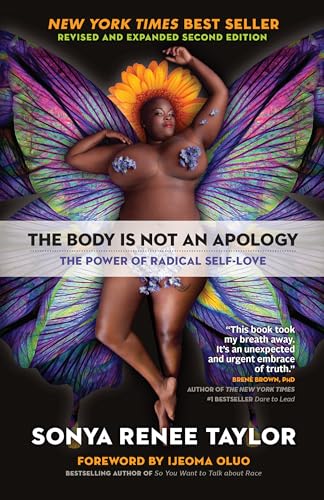
At the intersection of personal healing and collective liberation lies a radical premise: what if the shame we carry about our bodies isn't actually ours? What if the discomfort, self-criticism, and disconnection we feel from our physical selves are symptoms of larger systems designed to keep us small, compliant, and consuming solutions to problems we never inherently had?
This transformative work dismantles the foundations of body shame by exposing how systems of oppression including racism, ableism, sexism, homophobia, and transphobia have colonized our relationship with our own flesh and bones. Rather than offering another diet plan or self-improvement checklist, this revolutionary approach asks us to fundamentally reconsider the entire framework through which we view bodies, including our own. The concept of radical self-love presented here goes far beyond affirmations in the mirror. It's a political practice, a spiritual commitment, and a pathway to collective healing.
Readers embark on a journey that traces how body terrorism operates in culture, media, healthcare, and interpersonal relationships. Body terrorism refers to the systematic way certain bodies are valued while others are marginalized, policed, and deemed less worthy. This isn't about individual mean comments or personal insecurities, though these manifest as symptoms. Instead, the exploration reveals how deeply embedded hierarchies determine which bodies receive care, respect, resources, and dignity. Understanding these mechanisms becomes the first step toward liberation.
Read more ▼
Lester R. Sauvage

Bhava Ram
The healing power of ginseng & the tonic herbs
Paul Bergner

Sara Chetkin
The quest for happiness often leads to frustration, as many fail to realize that the...

Reaching sixty can evoke complex emotions, blending relief with ongoing ambition. This...

The quest for life's purpose often leads to unsatisfactory answers. This article...

Romantic love is a complex emotion shaped by historical, cultural, and biological...

Imagine going through one of the most physically and emotionally demanding experiences...

Daily actions often conflict with personal beliefs due to past experiences. By utilizing...

Have you ever argued over something that wasn't actually said? From cultural differences...

Therapists often use dream interpretation to delve into patients' emotions, but true...