
Happiness & Success
Achieving Happiness Through Acceptance of Life
The quest for happiness often leads to frustration, as many fail to realize that the...








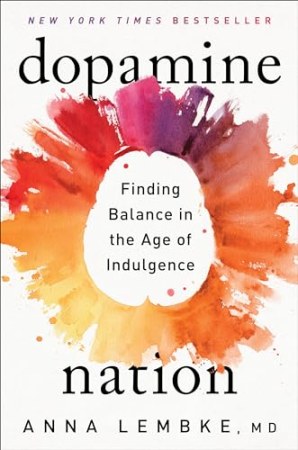
We live in an age of unprecedented abundance, where pleasure is available at our fingertips twenty-four hours a day. Whether it's streaming entertainment, social media notifications, online shopping, processed foods, or any number of substances and behaviors designed to make us feel good, we're surrounded by opportunities for instant gratification. Yet paradoxically, rates of anxiety, depression, and addiction continue to climb. Something fundamental has shifted in our relationship with pleasure, and understanding this shift is crucial for anyone seeking genuine well-being and personal empowerment in the modern world.
At the heart of this exploration lies the brain's reward system and the chemical messenger that drives much of our behavior: dopamine. This neurotransmitter plays a central role in motivation, pleasure, and learning. Every time we engage in something enjoyable, our brains release dopamine, reinforcing the behavior and encouraging us to repeat it. This system evolved to help our ancestors survive by rewarding essential activities like eating, reproducing, and socializing. However, in our current environment of hyper-stimulating, easily accessible pleasures, this ancient reward system has become overwhelmed and dysregulated.
The fundamental insight presented is both profound and troubling: pleasure and pain are processed in the same parts of the brain, and they work like opposite sides of a balance. When we experience pleasure, the balance tips one way. But our brains are wired to restore equilibrium, so they automatically tip an equal amount in the opposite direction, which we experience as the comedown, the hangover, or the craving for more. With repeated exposure to high-dopamine substances and behaviors, our brains adapt by reducing our baseline level of dopamine, leaving us in a chronic dopamine-deficit state. We need more of our substance or behavior just to feel normal, and we experience increased anxiety, irritability, and depression when we're not engaging in it.
Read more ▼
Coach Wooden's pyramid of success
John Wooden, Jay Carty

Pam Grout

Men Are from Mars, Women Are from Venus
John Gray, John Gray

Leon Shenandoah, Steve Wall
The quest for happiness often leads to frustration, as many fail to realize that the...

Reaching sixty can evoke complex emotions, blending relief with ongoing ambition. This...

The quest for life's purpose often leads to unsatisfactory answers. This article...

Imagine going through one of the most physically and emotionally demanding experiences...

Romantic love is a complex emotion shaped by historical, cultural, and biological...

Daily actions often conflict with personal beliefs due to past experiences. By utilizing...

Have you ever argued over something that wasn't actually said? From cultural differences...

Therapists often use dream interpretation to delve into patients' emotions, but true...