
Happiness & Success
Achieving Happiness Through Acceptance of Life
The quest for happiness often leads to frustration, as many fail to realize that the...








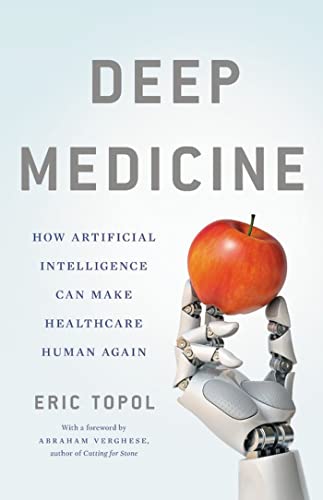
Artificial intelligence is transforming nearly every aspect of modern life, and healthcare stands at the precipice of its most profound revolution yet. What if the very technology that many fear will dehumanize medicine could actually restore the deeply human connection between doctors and patients that has been eroding for decades? This exploration into the intersection of cutting-edge technology and compassionate care reveals a surprising path forward—one where machines handle data while humans reclaim their capacity for empathy, presence, and healing relationships.
The current state of medicine leaves both patients and physicians exhausted and dissatisfied. Doctors spend more time staring at computer screens than looking into patients' eyes, drowning in administrative tasks, checkbox medicine, and electronic health records that were supposed to help but instead created new burdens. Patients feel rushed, unheard, and reduced to data points in a system more focused on billing codes than healing. This crisis of connection has contributed to record levels of physician burnout and patient dissatisfaction, creating a healthcare environment where the art of medicine struggles to survive beneath mountains of paperwork and productivity pressures.
Enter artificial intelligence—not as a replacement for human doctors, but as a powerful tool to liberate them from the drudgery that prevents meaningful patient interaction. Through vivid examples and rigorous research, readers discover how machine learning algorithms can analyze medical images with superhuman accuracy, identify patterns in vast datasets that no human could discern, predict which patients face the highest risks, and automate the tedious documentation that steals precious time from patient care. These aren't distant possibilities but present realities already being implemented in forward-thinking healthcare systems around the world.
Read more ▼
Dharma Singh Khalsa

Bryant Lusk

Catherine Ponder
The quest for happiness often leads to frustration, as many fail to realize that the...

Reaching sixty can evoke complex emotions, blending relief with ongoing ambition. This...

The quest for life's purpose often leads to unsatisfactory answers. This article...

Romantic love is a complex emotion shaped by historical, cultural, and biological...

Imagine going through one of the most physically and emotionally demanding experiences...

Daily actions often conflict with personal beliefs due to past experiences. By utilizing...

Have you ever argued over something that wasn't actually said? From cultural differences...

Therapists often use dream interpretation to delve into patients' emotions, but true...