




Happiness & Success
Achieving Happiness Through Acceptance of Life
The quest for happiness often leads to frustration, as many fail to realize that the...








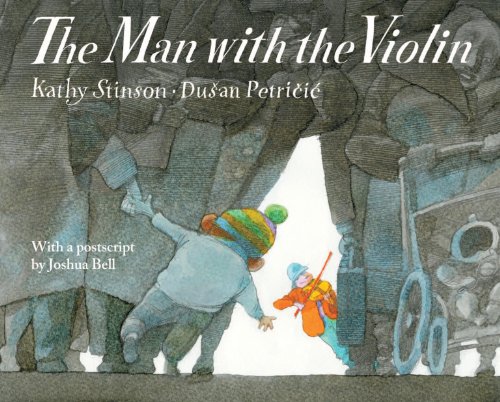
What happens when we rush through life so focused on our destination that we fail to notice beauty standing right in front of us? This profound question lies at the heart of a remarkable true story that challenges us to examine how we move through the world and what we choose to see—or ignore—in our daily lives.
Based on an actual experiment conducted by The Washington Post, this narrative explores a moment when one of the world's greatest violinists stood in a busy metro station during morning rush hour, playing some of the most exquisite music ever written on a violin worth millions of dollars. What unfolded revealed something deeply unsettling yet illuminating about modern life: almost everyone walked past without stopping, without looking, without listening. In forty-five minutes of breathtaking musical performance, only a handful of people paused to experience something extraordinary that was being offered freely.
Through the innocent eyes of a child and the hurried pace of an adult, readers witness this social experiment unfold in a way that strips away our comfortable assumptions about attention, value, and presence. The child recognizes something special happening, feels drawn to the music, senses that this moment deserves attention. But like so many adults caught in the machinery of schedules and obligations, the grown-ups keep moving, eyes forward, minds already at their destinations before their bodies arrive.
Read more ▼
The quest for happiness often leads to frustration, as many fail to realize that the...

Reaching sixty can evoke complex emotions, blending relief with ongoing ambition. This...

The quest for life's purpose often leads to unsatisfactory answers. This article...

Romantic love is a complex emotion shaped by historical, cultural, and biological...

Imagine going through one of the most physically and emotionally demanding experiences...

Have you ever argued over something that wasn't actually said? From cultural differences...

Daily actions often conflict with personal beliefs due to past experiences. By utilizing...

Therapists often use dream interpretation to delve into patients' emotions, but true...