
Happiness & Success
Achieving Happiness Through Acceptance of Life
The quest for happiness often leads to frustration, as many fail to realize that the...









Trauma lives in the body, not just in the mind. This groundbreaking exploration of how we store and can release traumatic experiences offers a revolutionary perspective on healing that moves beyond traditional talk therapy to address the physical and instinctual dimensions of psychological wounds.
Drawing on decades of clinical practice and extensive observation of animals in the wild, this work reveals a fundamental truth: while animals regularly face life-threatening situations, they rarely become traumatized. The key lies in their natural ability to discharge the enormous survival energy mobilized during threatening encounters. Humans, however, often override these instinctual discharge mechanisms through our highly developed rational minds, inadvertently trapping trauma in our bodies where it can remain for years or even decades.
The material presented here introduces readers to a somatic approach to trauma resolution that honors the body's innate wisdom. Through detailed explanations and compelling case studies, we discover how trauma symptoms are not signs of pathology but rather incomplete biological processes waiting for resolution. Symptoms like anxiety, depression, chronic pain, hypervigilance, and emotional numbing are revealed as frozen survival energies seeking completion and release.
Read more ▼
Life's Little Instruction Book
H. Jackson Brown, Jr.

Sue Johnson
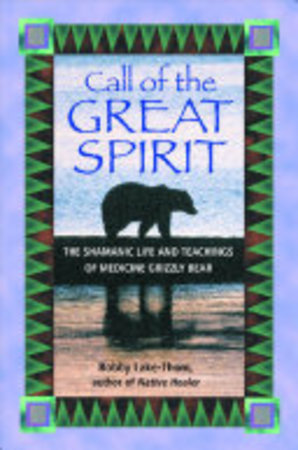
Bobby Lake-Thom
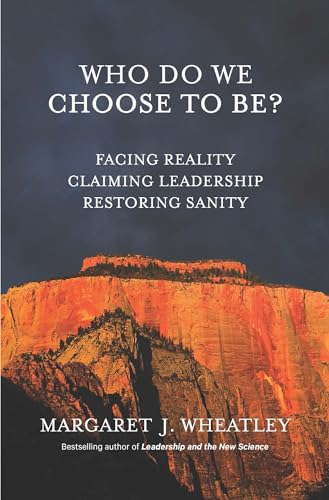
Margaret J. Wheatley
The quest for happiness often leads to frustration, as many fail to realize that the...

Reaching sixty can evoke complex emotions, blending relief with ongoing ambition. This...

The quest for life's purpose often leads to unsatisfactory answers. This article...

Romantic love is a complex emotion shaped by historical, cultural, and biological...

Imagine going through one of the most physically and emotionally demanding experiences...

Have you ever argued over something that wasn't actually said? From cultural differences...

Daily actions often conflict with personal beliefs due to past experiences. By utilizing...

Therapists often use dream interpretation to delve into patients' emotions, but true...