


Happiness & Success
Achieving Happiness Through Acceptance of Life
The quest for happiness often leads to frustration, as many fail to realize that the...








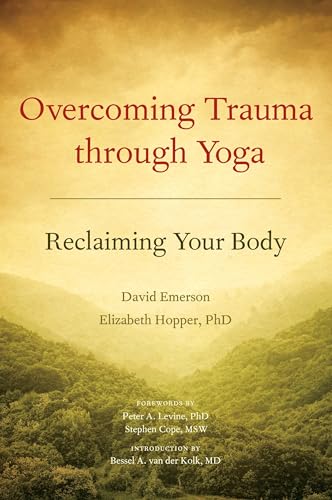
Trauma leaves profound imprints on both mind and body, often manifesting as disconnection, hypervigilance, numbness, and a pervasive sense of being unsafe in one's own skin. Traditional talk therapy, while valuable, sometimes falls short of addressing the somatic dimensions of traumatic experience. A groundbreaking approach emerges from the intersection of ancient yogic wisdom and contemporary trauma research, offering survivors a pathway to reclaim their bodies and restore a sense of agency and wholeness.
This transformative resource introduces trauma-sensitive yoga, a specialized practice specifically designed for individuals recovering from psychological trauma, including childhood abuse, sexual assault, combat exposure, and other overwhelming experiences. Unlike conventional yoga classes that may inadvertently trigger trauma responses, this approach has been carefully developed to honor the unique needs of trauma survivors, emphasizing choice, empowerment, and the cultivation of present-moment body awareness without force or judgment.
Readers will discover how trauma fundamentally alters the relationship between consciousness and the physical body. When overwhelmed by traumatic events, many people develop coping mechanisms that involve dissociation or disconnection from bodily sensations. While these strategies may have been essential for survival during the traumatic event, they often persist long afterward, leaving survivors feeling alienated from their own physical experience. The practice outlined here gently guides individuals back into embodied awareness, helping them recognize that their bodies can be sources of information, strength, and pleasure rather than solely vessels of pain and fear.
Read more ▼
The quest for happiness often leads to frustration, as many fail to realize that the...

Reaching sixty can evoke complex emotions, blending relief with ongoing ambition. This...

The quest for life's purpose often leads to unsatisfactory answers. This article...

Romantic love is a complex emotion shaped by historical, cultural, and biological...

Imagine going through one of the most physically and emotionally demanding experiences...

Daily actions often conflict with personal beliefs due to past experiences. By utilizing...

Have you ever argued over something that wasn't actually said? From cultural differences...

Therapists often use dream interpretation to delve into patients' emotions, but true...