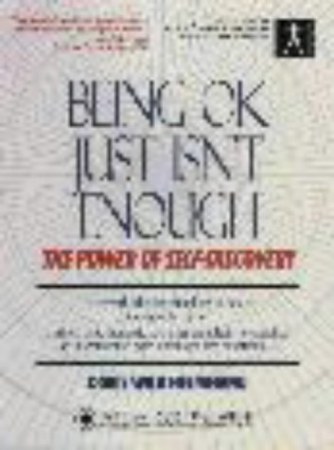
Most people settle for being "okay" in life. They wake up, go through their routines, handle their responsibilities, and tell themselves that as long as nothing is terribly wrong, they're doing fine. But what if "fine" isn't actually good enough? What if settling for mere adequacy is preventing you from experiencing the richness, joy, and fulfillment that life has to offer?
This transformative guide challenges readers to break free from the comfort zone of mediocrity and embrace a more vibrant, purposeful existence. At its core lies a powerful message: human beings are capable of so much more than simply getting by, and we owe it to ourselves to reach for genuine excellence rather than comfortable complacency.
Drawing on years of therapeutic practice and personal development expertise, this resource provides a comprehensive roadmap for moving beyond the "just okay" mindset that keeps so many people trapped in unfulfilling patterns. It explores the psychological mechanisms that cause individuals to settle for less than they deserve, examining how fear, self-doubt, and societal conditioning create invisible barriers to personal growth.
Readers will discover practical strategies for identifying the areas of life where they've been accepting mediocrity instead of striving for excellence. Whether it's relationships that lack passion and genuine connection, careers that provide security but no satisfaction, or daily routines that numb rather than energize, this work helps illuminate the gap between where you are and where you could be.
One of the most valuable aspects covered is the distinction between healthy contentment and resigned acceptance. Not every area of life needs to be dramatic or extraordinary, but recognizing the difference between genuine satisfaction and settling out of fear is crucial for personal development. Through thoughtful guidance, readers learn to assess their lives honestly and determine which compromises serve their wellbeing and which simply reflect limiting beliefs.
The material delves deeply into self-esteem and its relationship to life satisfaction. Many people who consider themselves "okay" are actually operating from a place of diminished self-worth, unconsciously believing they don't deserve better circumstances or deeper happiness. By addressing these underlying issues, the approach helps readers build the foundation necessary for pursuing meaningful change.
Practical exercises and reflective questions throughout encourage active engagement rather than passive reading. These tools help individuals examine their assumptions about what's possible, challenge their automatic responses to opportunities and challenges, and develop new patterns of thinking and behavior that support growth rather than stagnation.
Relationships receive significant attention, as this is often where people most clearly settle for inadequacy. The guidance provided helps readers evaluate whether their connections with others are truly nourishing or merely familiar, and offers frameworks for either revitalizing existing relationships or having the courage to seek deeper bonds elsewhere.
Career satisfaction and personal purpose also feature prominently. Many people spend decades in jobs that are "okay" but never truly fulfilling, telling themselves that work isn't supposed to be enjoyable or meaningful. This perspective is directly challenged, with concrete strategies offered for aligning professional life with personal values and aspirations.
The journey outlined isn't about perfectionism or unrealistic expectations. Instead, it's about honest self-assessment, courage to acknowledge when something isn't working, and commitment to taking actionable steps toward improvement. It's about moving from passive acceptance to active creation of the life you genuinely want to live.
For anyone who has ever felt that vague sense of dissatisfaction despite having no obvious problems, or who wonders if there's something more to life than their current experience, this resource offers both validation and direction. It confirms that wanting more than "okay" isn't ungrateful or unrealistic—it's fundamentally human, and it's the first step toward genuine personal empowerment and lasting fulfillment.