
Happiness & Success
Achieving Happiness Through Acceptance of Life
The quest for happiness often leads to frustration, as many fail to realize that the...








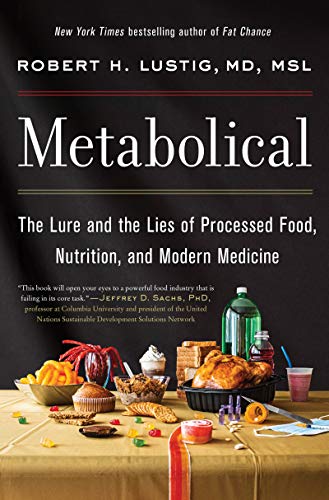
Understanding the real science behind what we eat and how it affects our bodies represents one of the most empowering journeys we can undertake in modern life. This groundbreaking exploration reveals how the current healthcare system and food industry have created a perfect storm that undermines our metabolic health, leading to chronic diseases that now affect the majority of the population. Rather than accepting ill health as inevitable, readers discover a revolutionary framework for reclaiming vitality through metabolic wellness.
The foundation of this work rests on eight critical pathologies that define metabolic dysfunction, all stemming from how our bodies process the food we consume. These interconnected issues include insulin resistance, oxidative stress, mitochondrial dysfunction, inflammation, and other cellular-level processes that directly determine whether we thrive or merely survive. By understanding these mechanisms, readers gain insight into why conventional dietary advice has failed so spectacularly and why calorie counting misses the essential truth about nutrition.
What makes this approach particularly powerful is the clear distinction drawn between "real food" and the processed substances that dominate modern supermarkets. The explanation goes far beyond simple nutritional labels to examine how industrial food processing strips away protective elements like fiber while concentrating harmful components. This processing fundamentally changes how our bodies metabolize what we eat, triggering hormonal responses that drive chronic disease rather than supporting health. The revelation that our current food environment is specifically engineered to override our natural satiety signals proves both sobering and liberating.
Read more ▼
Lisa Fazio, Marybeth Bonfiglio

Dora Kunz

Ronald Colman, Jane Wyatt, Edward Everett Horton, John Howard, Thomas Mitchell, Margo, Isabel Jewell, H.B. Warner, Sam Jaffe, David Torrence, Margo Stilley, Frank Capra, Columbia Pictures Corporation

Masaru Emoto
The quest for happiness often leads to frustration, as many fail to realize that the...

Reaching sixty can evoke complex emotions, blending relief with ongoing ambition. This...

The quest for life's purpose often leads to unsatisfactory answers. This article...

Imagine going through one of the most physically and emotionally demanding experiences...

Romantic love is a complex emotion shaped by historical, cultural, and biological...

Daily actions often conflict with personal beliefs due to past experiences. By utilizing...

Have you ever argued over something that wasn't actually said? From cultural differences...

Therapists often use dream interpretation to delve into patients' emotions, but true...