
Happiness & Success
Achieving Happiness Through Acceptance of Life
The quest for happiness often leads to frustration, as many fail to realize that the...









For anyone seeking a profound yet practical path toward personal transformation and inner peace, this ancient Buddhist text offers timeless wisdom that resonates powerfully with contemporary challenges. Drawing from eighth-century India, these teachings present a comprehensive framework for developing compassion, wisdom, and ethical living that transcends cultural and religious boundaries.
At its heart lies the revolutionary concept of the bodhisattva ideal: the aspiration to achieve enlightenment not for personal benefit alone, but for the liberation of all beings from suffering. This radical shift from self-centered concerns to universal compassion forms the foundation for profound personal empowerment. Rather than pursuing happiness through external acquisitions or circumstances, readers discover how to cultivate an unshakeable inner strength rooted in altruistic motivation and mindful awareness.
The teachings systematically address the obstacles we face in daily life: anger, attachment, laziness, discouragement, and self-doubt. Through practical instructions and poetic verses, ancient wisdom meets modern psychology, offering concrete methods for transforming destructive emotions into sources of insight and growth. The approach recognizes that genuine personal empowerment emerges not from suppressing difficult feelings but from understanding their nature and learning to work skillfully with mental states.
Read more ▼
James F. Twyman
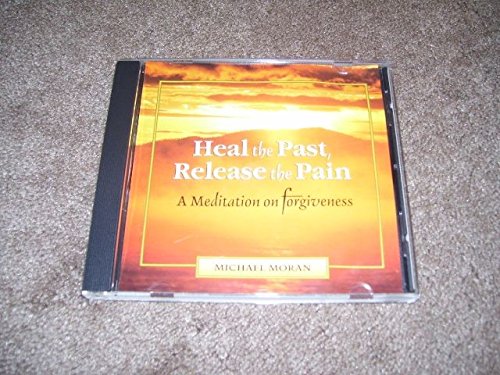
Heal the Past, Release the Pain
Michael Moran
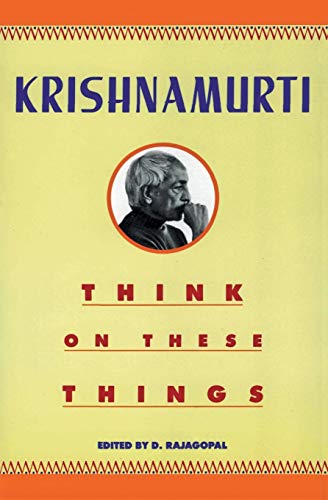
Jiddu Krishnamurti

John R. Wooden, John Wooden
The quest for happiness often leads to frustration, as many fail to realize that the...

Reaching sixty can evoke complex emotions, blending relief with ongoing ambition. This...

The quest for life's purpose often leads to unsatisfactory answers. This article...

Romantic love is a complex emotion shaped by historical, cultural, and biological...

Imagine going through one of the most physically and emotionally demanding experiences...

Daily actions often conflict with personal beliefs due to past experiences. By utilizing...

Have you ever argued over something that wasn't actually said? From cultural differences...

Therapists often use dream interpretation to delve into patients' emotions, but true...