



Happiness & Success
Achieving Happiness Through Acceptance of Life
The quest for happiness often leads to frustration, as many fail to realize that the...








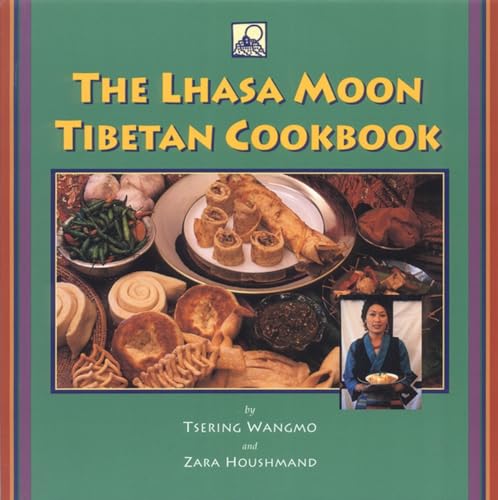
Journey into the heart of Tibetan culinary tradition and discover a cuisine that has nourished both body and spirit for centuries in one of the world's most challenging environments. This comprehensive cookbook opens a window into the food culture of Tibet, offering readers far more than recipes—it presents an entire philosophy of eating that harmonizes physical health with spiritual well-being.
Tibetan cooking reflects a deep understanding of balance and mindfulness that extends from the Buddhist principles underlying daily life in Tibet. The cuisine developed in isolation at high altitudes where every ingredient was precious and nothing was wasted, creating a tradition of resourcefulness, gratitude, and conscious consumption that resonates powerfully with contemporary concerns about sustainable eating and mindful living.
Within these pages, readers encounter over one hundred authentic recipes that range from hearty staples to celebratory dishes, each adapted for Western kitchens without losing their essential character. The collection includes warming soups and stews perfectly suited to cold weather, satisfying noodle dishes, flavorful dumplings known as momos that have become beloved throughout the Himalayan region, wholesome breads, and traditional beverages including the famous butter tea that sustains Tibetans through long winters and demanding work at altitude.
Read more ▼
The quest for happiness often leads to frustration, as many fail to realize that the...

Reaching sixty can evoke complex emotions, blending relief with ongoing ambition. This...

The quest for life's purpose often leads to unsatisfactory answers. This article...

Romantic love is a complex emotion shaped by historical, cultural, and biological...

Imagine going through one of the most physically and emotionally demanding experiences...

Daily actions often conflict with personal beliefs due to past experiences. By utilizing...

Have you ever argued over something that wasn't actually said? From cultural differences...

Therapists often use dream interpretation to delve into patients' emotions, but true...