
Happiness & Success
Achieving Happiness Through Acceptance of Life
The quest for happiness often leads to frustration, as many fail to realize that the...








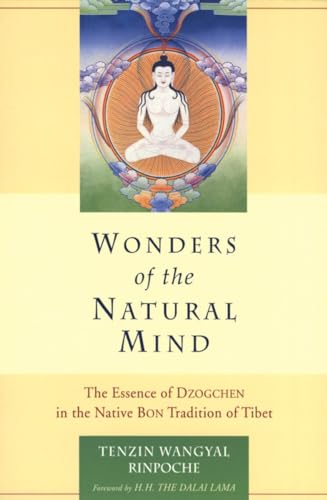
Ancient Tibetan Bon Buddhist teachings offer a profound pathway to understanding the nature of mind and accessing our innate wisdom. This remarkable work presents practical methods for recognizing and working with the natural, luminous quality of consciousness that exists beyond the constant chatter of thoughts and emotional turbulence.
At the heart of these teachings lies a revolutionary insight: our essential nature is already complete, already awake, already free. The practice isn't about achieving some distant state of enlightenment or becoming someone different. Instead, it involves recognizing what has always been present, learning to rest in the spacious awareness that underlies all experience. This fundamental shift in perspective can transform how we relate to every aspect of life, from mundane daily activities to our deepest spiritual aspirations.
The teachings explore three doors through which we can access this natural mind: stillness, movement, and awareness itself. Through the door of stillness, practitioners learn to settle the body, speech, and mind, creating the conditions for deeper recognition. This isn't forced concentration or suppression of thoughts, but rather a gentle allowing that lets the mind's natural clarity emerge. The door of movement introduces dynamic practices that work with the body's energy and expression, demonstrating that awakened awareness isn't limited to formal meditation sessions but can infuse all activities. The door of awareness itself points directly to the recognition of consciousness in this very moment, without needing to change or fix anything.
Read more ▼
Raise an emotionally healthy boy
Ted Zeff

The Toltec secret to happiness
Ray Dodd
Alan Watts
King, Ruth (Diversity Consultant)
The quest for happiness often leads to frustration, as many fail to realize that the...

Reaching sixty can evoke complex emotions, blending relief with ongoing ambition. This...

The quest for life's purpose often leads to unsatisfactory answers. This article...

Romantic love is a complex emotion shaped by historical, cultural, and biological...

Imagine going through one of the most physically and emotionally demanding experiences...

Daily actions often conflict with personal beliefs due to past experiences. By utilizing...

Have you ever argued over something that wasn't actually said? From cultural differences...

Therapists often use dream interpretation to delve into patients' emotions, but true...