

Happiness & Success
Achieving Happiness Through Acceptance of Life
The quest for happiness often leads to frustration, as many fail to realize that the...








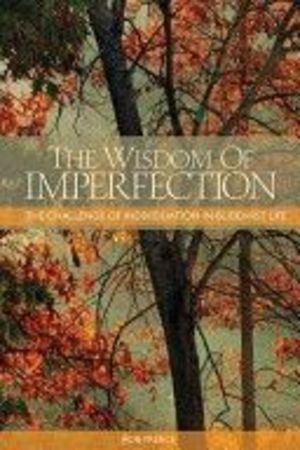
Perfectionism has become one of the defining struggles of modern life. We chase impossible standards, criticize ourselves mercilessly for our shortcomings, and feel perpetually inadequate despite our achievements. This relentless pursuit of flawlessness doesn't lead to fulfillment but instead creates anxiety, depression, and a profound sense of disconnection from our authentic selves. What if the path to genuine wholeness lies not in eliminating our imperfections but in understanding and embracing them?
Drawing from decades of experience as a psychotherapist and Buddhist teacher, this profound exploration offers a radically different approach to personal growth. Rather than viewing our flaws, wounds, and limitations as obstacles to overcome, readers discover how these very imperfections can become gateways to compassion, wisdom, and authentic transformation. The integration of Jungian psychology with Tibetan Buddhist teachings creates a unique framework that speaks to both the psychological and spiritual dimensions of the human experience.
At the heart of this work lies the Buddhist concept of the mandala of the five Buddha families, an ancient system that maps the full spectrum of human consciousness. Each Buddha family represents both enlightened qualities and their shadow expressions, the neurotic patterns that emerge when we're disconnected from our inherent wisdom. Readers learn to recognize these patterns in their own lives, understanding how anger, pride, desire, jealousy, and ignorance are not simply negative emotions to be suppressed but distorted expressions of fundamental wisdoms waiting to be reclaimed.
Read more ▼
Merlin Sheldrake
Tom Butler-Bowdon

Keith Dowman
The quest for happiness often leads to frustration, as many fail to realize that the...

Reaching sixty can evoke complex emotions, blending relief with ongoing ambition. This...

The quest for life's purpose often leads to unsatisfactory answers. This article...

Romantic love is a complex emotion shaped by historical, cultural, and biological...

Imagine going through one of the most physically and emotionally demanding experiences...

Have you ever argued over something that wasn't actually said? From cultural differences...

Daily actions often conflict with personal beliefs due to past experiences. By utilizing...

Therapists often use dream interpretation to delve into patients' emotions, but true...