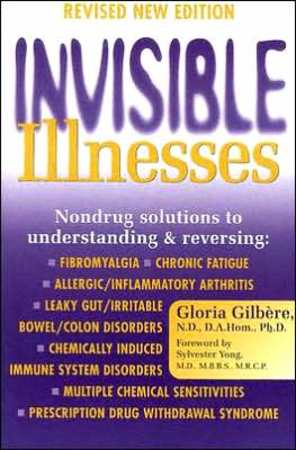

Homeopathy represents one of the most fascinating yet misunderstood approaches to healing in modern medicine. This comprehensive guide opens the door to understanding how this two-hundred-year-old system of medicine works, why millions of people worldwide trust it for their health concerns, and how you can begin incorporating its principles into your own wellness journey.
At the heart of homeopathic medicine lies a profound principle: the body possesses an inherent wisdom and capacity to heal itself. Rather than suppressing symptoms or overpowering the body's natural processes, homeopathy works by gently stimulating the body's own healing mechanisms. This approach recognizes that symptoms are not enemies to be conquered but rather messengers providing valuable information about deeper imbalances within the system.
Readers discover the foundational concept of "like cures like," a principle that dates back to ancient medical traditions but was systematized into a comprehensive healing art in the late eighteenth century. This concept suggests that substances capable of producing certain symptoms in healthy individuals can, when prepared in specific ways, help treat similar symptoms in those who are ill. The sophistication of this approach becomes apparent as the material explores how remedies are carefully matched to not just physical symptoms but also emotional states, personality characteristics, and individual constitutional factors.
One of the most revolutionary aspects presented involves the preparation of homeopathic remedies through a process of serial dilution and vigorous shaking. This method, counterintuitive to conventional pharmaceutical thinking, actually appears to enhance the remedies' healing properties while eliminating toxic side effects. The exploration of this paradox challenges readers to expand their understanding of how healing substances work and opens up fascinating questions about the nature of medicine, energy, and biological response.
The guide provides practical instruction for using homeopathic remedies for common acute conditions that every family faces. From bruises and sprains to colds, flu, digestive upset, and emotional stress, readers learn which remedies correspond to specific symptom patterns. The detailed symptom pictures help individuals become more observant of their bodies' signals and more discerning about selecting appropriate remedies. This empowerment aspect transforms passive patients into active participants in their healing process.
Beyond addressing immediate health concerns, the material delves into constitutional prescribing, a more sophisticated application that addresses chronic conditions and overall vitality. Readers gain insight into how professional homeopaths analyze the whole person, considering not just presenting complaints but lifetime patterns, inherited tendencies, and deep-seated vulnerabilities. This holistic perspective offers a refreshing contrast to fragmented medical approaches that treat each symptom or body system in isolation.
The scientific controversy surrounding homeopathy receives thoughtful attention, acknowledging both skepticism and supporting evidence. Clinical studies, patient outcomes, and the growing integration of homeopathy into healthcare systems in Europe and other regions provide context for readers seeking to understand why this approach continues to thrive despite mainstream medical opposition. The discussion encourages critical thinking while remaining open to possibilities that conventional frameworks may not yet fully explain.
Philosophical dimensions emerge throughout, connecting homeopathic principles to broader questions about healing, consciousness, and the relationship between mind and body. The recognition that emotional and mental states profoundly influence physical health, and that truly effective remedies must address the whole person, resonates with contemporary understanding of psychoneuroimmunology and integrative medicine.
Safety considerations receive appropriate emphasis, helping readers understand when self-care is appropriate and when professional guidance becomes necessary. The gentle nature of properly selected remedies makes them particularly suitable for sensitive populations including children, pregnant women, and the elderly, though the importance of proper diagnosis and monitoring is clearly communicated.
This resource serves both newcomers curious about alternatives to conventional medicine and experienced natural health enthusiasts seeking deeper knowledge. The accessible presentation demystifies homeopathy while respecting its complexity, offering a balanced introduction that honors both tradition and contemporary application. For anyone interested in taking greater responsibility for their health, exploring gentler healing options, or simply expanding their understanding of therapeutic possibilities, this guide provides an invaluable foundation.