
Happiness & Success
Achieving Happiness Through Acceptance of Life
The quest for happiness often leads to frustration, as many fail to realize that the...








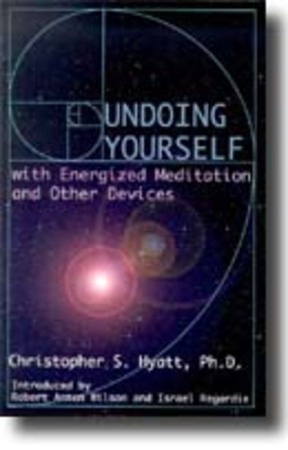
Breaking free from the psychological chains that bind us to limiting patterns of thought and behavior stands as one of the most challenging endeavors any person can undertake. This groundbreaking work presents a radical approach to personal transformation that combines Western psychology with Eastern meditation practices, creating a powerful system designed to help readers literally "undo" the conditioned self that prevents authentic living.
At its core lies a provocative thesis: most people live their entire lives imprisoned by psychological programming absorbed during childhood and reinforced through years of social conditioning. These unconscious patterns control reactions, limit potential, and create a false sense of identity that masquerades as the true self. The path to liberation requires more than intellectual understanding—it demands active deconstruction of these deeply ingrained mechanisms through specific, practical exercises.
The energized meditation techniques presented here differ dramatically from traditional meditation approaches. Rather than seeking peaceful transcendence or spiritual bliss, these practices actively engage the body's energy systems to break down psychological armor and dissolve the ego structures that restrict genuine experience. Drawing from Reichian therapy, Tantric practices, and modern psychology, the methodology employs breathing exercises, physical movements, and mental techniques designed to release stored emotional tension and trauma held within the body.
Read more ▼
The Practice of Tibetan Meditation
Dagsay Tulku Rinpoche

Barbara Mark

Luminous Landscape of the Afterlife
Matthew McKay

Georg Feuerstein
The quest for happiness often leads to frustration, as many fail to realize that the...

Reaching sixty can evoke complex emotions, blending relief with ongoing ambition. This...

The quest for life's purpose often leads to unsatisfactory answers. This article...

Romantic love is a complex emotion shaped by historical, cultural, and biological...

Imagine going through one of the most physically and emotionally demanding experiences...

Daily actions often conflict with personal beliefs due to past experiences. By utilizing...

Have you ever argued over something that wasn't actually said? From cultural differences...

Therapists often use dream interpretation to delve into patients' emotions, but true...