

Happiness & Success
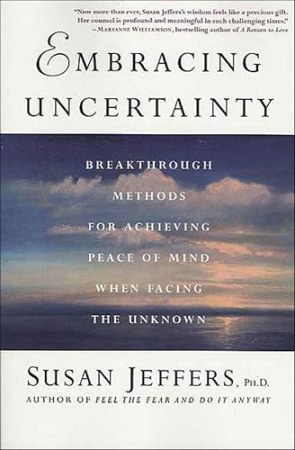
Achieving Happiness Through Acceptance of Life
The quest for happiness often leads to frustration, as many fail to realize that the...








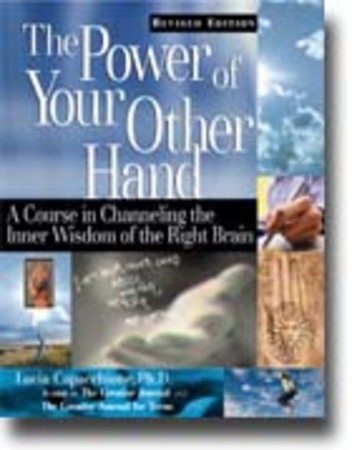
Deep within each of us lies an untapped source of creativity, healing, and self-knowledge that most people never access. By simply picking up a pen with your non-dominant hand, you can unlock doorways to your inner child, access suppressed emotions, resolve long-standing conflicts, and discover parts of yourself that have been silenced by years of rational, left-brain dominance.
This groundbreaking approach to personal transformation introduces readers to a deceptively simple yet profoundly effective technique for accessing the right hemisphere of the brain and connecting with the intuitive, emotional, and creative aspects of consciousness. When you write, draw, or engage in dialogue with your non-dominant hand, you bypass the critical, analytical mind that often blocks genuine self-expression and emotional truth. What emerges is raw, honest, and deeply revealing.
The journey begins with understanding how our dominant hand represents the rational, socialized self—the part of us that has learned to conform, to edit, and to present an acceptable face to the world. Meanwhile, the non-dominant hand provides direct access to feelings, memories, and aspects of personality that have been overshadowed or repressed. Through guided exercises and clear explanations, readers discover how to use this simple tool to facilitate profound inner dialogue and personal growth.
Read more ▼
Paulo Coelho
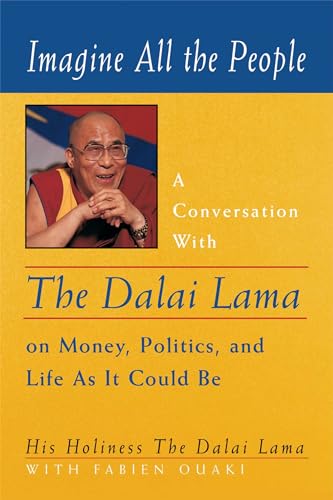
His Holiness Tenzin Gyatso the XIV Dalai Lama
The quest for happiness often leads to frustration, as many fail to realize that the...

Reaching sixty can evoke complex emotions, blending relief with ongoing ambition. This...

The quest for life's purpose often leads to unsatisfactory answers. This article...

Imagine going through one of the most physically and emotionally demanding experiences...

Romantic love is a complex emotion shaped by historical, cultural, and biological...

Daily actions often conflict with personal beliefs due to past experiences. By utilizing...

Have you ever argued over something that wasn't actually said? From cultural differences...

Therapists often use dream interpretation to delve into patients' emotions, but true...