
Happiness & Success
Achieving Happiness Through Acceptance of Life
The quest for happiness often leads to frustration, as many fail to realize that the...








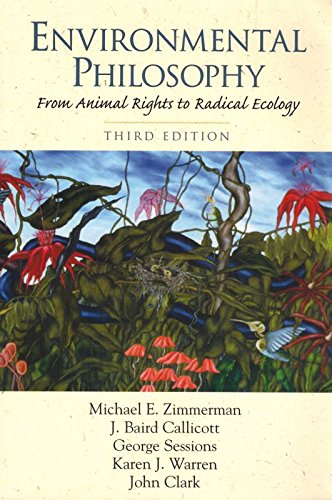
At the intersection of human consciousness and the natural world lies a profound collection of philosophical perspectives that challenge us to reconsider our relationship with Earth and all its inhabitants. This comprehensive anthology brings together some of the most influential voices in environmental thought, offering readers a transformative journey through the ethical, spiritual, and practical dimensions of our planetary crisis.
The exploration begins with foundational questions that strike at the heart of how we perceive nature and our place within it. Readers discover classical philosophical traditions from both Western and non-Western cultures, examining how different civilizations have conceptualized humanity's role in the natural order. From ancient Greek philosophy to Indigenous worldviews, from Eastern spiritual traditions to contemporary ecological science, the material weaves together a rich tapestry of perspectives that illuminates the depth and breadth of environmental thinking.
One of the most valuable aspects of this collection is its presentation of deep ecology, a philosophical approach that asks us to move beyond anthropocentric thinking and recognize the intrinsic value of all living beings. This perspective challenges the conventional view that nature exists primarily as a resource for human use, instead proposing that ecosystems, species, and individual organisms possess inherent worth independent of their utility to humanity. For readers on a spiritual path, this framework offers a profound shift in consciousness that aligns with many contemplative traditions emphasizing interconnection and reverence for life.
Read more ▼
Pema Chödrön

Shahid Naeem, Suzanne Lipton, Tiff Van Huysen

20 Communication Tips for Families
Eric Maisel

Martin Teitel
The quest for happiness often leads to frustration, as many fail to realize that the...

Reaching sixty can evoke complex emotions, blending relief with ongoing ambition. This...

The quest for life's purpose often leads to unsatisfactory answers. This article...

Romantic love is a complex emotion shaped by historical, cultural, and biological...

Imagine going through one of the most physically and emotionally demanding experiences...

Daily actions often conflict with personal beliefs due to past experiences. By utilizing...

Have you ever argued over something that wasn't actually said? From cultural differences...

Therapists often use dream interpretation to delve into patients' emotions, but true...