
Happiness & Success
Achieving Happiness Through Acceptance of Life
The quest for happiness often leads to frustration, as many fail to realize that the...








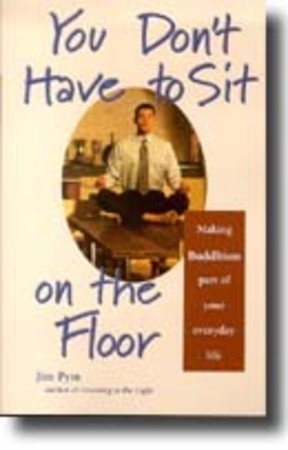
Western seekers have long been drawn to meditation and contemplative practices, yet many find themselves struggling with unfamiliar postures, exotic terminology, and cultural frameworks that feel foreign to their own backgrounds and experiences. A gentle revolution in spiritual practice demonstrates that authentic meditation and deep inner work need not require adopting Eastern customs wholesale or contorting oneself into uncomfortable positions that create more distraction than peace.
This refreshing guide opens the door to contemplative practice for anyone who has felt excluded or intimidated by traditional meditation instruction. At its heart lies a simple but profound message: the essence of spiritual practice transcends cultural packaging. Whether sitting in a chair, lying down, or finding any position that allows the body to settle, what matters is the quality of attention and openness brought to the practice, not adherence to prescribed physical forms.
Drawing deeply from Christian contemplative traditions while remaining inclusive and accessible to people of all faiths or none, the approach presented here reconnects Western practitioners with their own rich heritage of silence, stillness, and prayer. Many seekers remain unaware that Christianity has its own profound contemplative lineage stretching back centuries, with practices every bit as transformative as those found in Buddhism or other Eastern traditions. This work serves as both introduction and invitation, showing how contemplative Christianity offers a path of genuine awakening while speaking in familiar spiritual vocabulary.
Read more ▼
Dr Delia Sellers

100 questions every home seller should ask
Ilyce R. Glink

Anonymous
Carolyn Godschild Miller
The quest for happiness often leads to frustration, as many fail to realize that the...

Reaching sixty can evoke complex emotions, blending relief with ongoing ambition. This...

The quest for life's purpose often leads to unsatisfactory answers. This article...

Romantic love is a complex emotion shaped by historical, cultural, and biological...

Imagine going through one of the most physically and emotionally demanding experiences...

Daily actions often conflict with personal beliefs due to past experiences. By utilizing...

Have you ever argued over something that wasn't actually said? From cultural differences...

Therapists often use dream interpretation to delve into patients' emotions, but true...