
Happiness & Success
Achieving Happiness Through Acceptance of Life
The quest for happiness often leads to frustration, as many fail to realize that the...








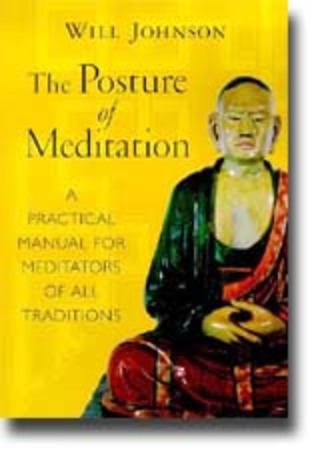
Meditation is often approached as a purely mental discipline, with little attention paid to the physical foundation that supports spiritual practice. Yet the body's alignment, breathing patterns, and structural integrity profoundly influence the quality and depth of meditative experience. This groundbreaking exploration reveals how proper physical alignment serves not as a rigid requirement but as a gateway to deeper states of consciousness and embodied awakening.
Drawing from both Eastern meditation traditions and Western body awareness practices, this work illuminates the often-overlooked relationship between physical posture and spiritual transformation. Rather than treating the body as something to transcend or ignore during meditation, readers discover how working with the body's natural intelligence creates the conditions for profound inner stillness and insight. The approach honors the wisdom that meditation teachers throughout history have emphasized proper sitting posture while making this guidance accessible and practical for contemporary practitioners.
At the heart of this teaching lies a simple yet revolutionary principle: when the body is properly aligned, meditation becomes effortless. Tension dissolves, the breath flows naturally, and awareness expands organically. Readers learn that common meditation difficulties such as wandering thoughts, physical discomfort, sleepiness, or agitation often stem from postural misalignment rather than mental inadequacy. By addressing the physical foundation, meditators remove obstacles that have nothing to do with concentration or discipline but everything to do with how gravity moves through the body.
Read more ▼
Spiritually Rich And Sexy A Womans Guide To Being Infinitely Attractive
Pamela Jo McQuade

Jamie Sams
Contemporary spirituality for an evolving world
Nicolya Christi
Doreen Virtue
The quest for happiness often leads to frustration, as many fail to realize that the...

Reaching sixty can evoke complex emotions, blending relief with ongoing ambition. This...

The quest for life's purpose often leads to unsatisfactory answers. This article...

Romantic love is a complex emotion shaped by historical, cultural, and biological...

Imagine going through one of the most physically and emotionally demanding experiences...

Daily actions often conflict with personal beliefs due to past experiences. By utilizing...

Have you ever argued over something that wasn't actually said? From cultural differences...

Therapists often use dream interpretation to delve into patients' emotions, but true...