
Happiness & Success
Achieving Happiness Through Acceptance of Life
The quest for happiness often leads to frustration, as many fail to realize that the...









Imagine having a practical guide for transforming the most difficult moments of your life into opportunities for genuine awakening and compassion. This transformative work offers a profound yet accessible approach to working with life's challenges through the ancient practice of lojong, a Tibetan Buddhist mind training system that has been helping people develop courage, wisdom, and genuine kindness for over a thousand years.
At the heart of this teaching lies a radical proposition: rather than constantly seeking comfort and avoiding pain, we can actually use our struggles, disappointments, and uncomfortable emotions as the raw material for spiritual growth. Instead of waiting for ideal conditions to begin a practice of self-improvement or meditation, we can start exactly where we are right now, with all our confusion, fear, and imperfection intact. This approach turns conventional self-help wisdom on its head by suggesting that our neuroses and difficulties are not obstacles to be overcome before we can begin genuine practice, but rather the very foundation upon which transformation is built.
The teachings revolve around fifty-nine traditional slogans that serve as practical reminders for daily life. These pithy phrases, such as "Always maintain only a joyful mind" and "Don't be so predictable," are explained through contemporary examples and stories that make ancient wisdom immediately applicable to modern challenges. Whether dealing with difficult relationships, facing personal failures, or struggling with habitual patterns of thinking, these contemplative techniques provide specific methods for working with whatever arises.
Read more ▼
Julia Rogers Hamrick

David Paul Doyle

Elliott Noble-Holt
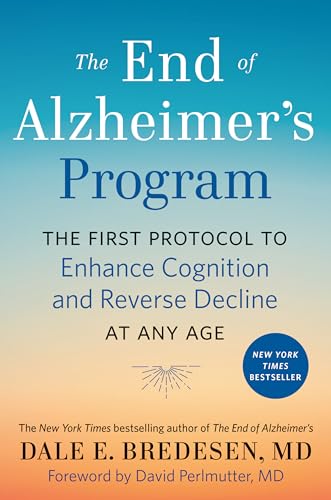
Dale Bredesen, David Perlmutter
The quest for happiness often leads to frustration, as many fail to realize that the...

Reaching sixty can evoke complex emotions, blending relief with ongoing ambition. This...

The quest for life's purpose often leads to unsatisfactory answers. This article...

Romantic love is a complex emotion shaped by historical, cultural, and biological...

Imagine going through one of the most physically and emotionally demanding experiences...

Daily actions often conflict with personal beliefs due to past experiences. By utilizing...

Have you ever argued over something that wasn't actually said? From cultural differences...

Therapists often use dream interpretation to delve into patients' emotions, but true...