



Happiness & Success
Achieving Happiness Through Acceptance of Life
The quest for happiness often leads to frustration, as many fail to realize that the...








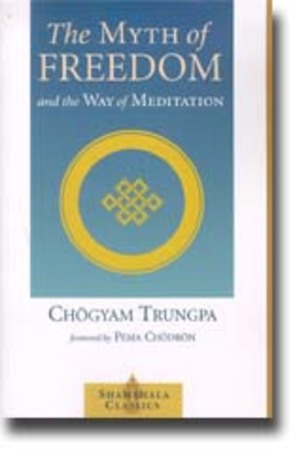
Freedom, as commonly understood in modern democratic societies, often turns out to be a sophisticated form of imprisonment. We chase after experiences, accumulate possessions, and defend our opinions, all while believing we are exercising our liberty. Yet this conventional notion of freedom—the freedom to choose, to consume, to express ourselves without restraint—may actually bind us more tightly to suffering and confusion than we realize. What if true freedom lies not in having unlimited choices, but in understanding the nature of mind itself?
This profound exploration of human consciousness and spiritual development challenges readers to examine their most fundamental assumptions about freedom, autonomy, and the path to genuine liberation. Rather than offering comfortable platitudes or quick fixes, it presents a rigorous analysis of how ego creates and maintains its own prison, even while proclaiming its independence. The journey toward authentic freedom requires confronting uncomfortable truths about our psychological patterns, our attachment to self-image, and our resistance to genuine openness.
At the heart of this teaching lies a radical proposition: what we call freedom in political, social, and personal contexts is often merely the freedom to remain trapped in habitual patterns of hope and fear. We vote, we protest, we assert our rights, yet we remain fundamentally unfree because we haven't examined the mechanism of ego itself. The discussion moves beyond conventional political discourse to ask deeper questions about human nature and the possibility of real transformation. Democracy and personal liberty, while valuable, cannot deliver ultimate freedom if we remain enslaved by our own mental and emotional patterns.
Read more ▼
The quest for happiness often leads to frustration, as many fail to realize that the...

Reaching sixty can evoke complex emotions, blending relief with ongoing ambition. This...

The quest for life's purpose often leads to unsatisfactory answers. This article...

Imagine going through one of the most physically and emotionally demanding experiences...

Romantic love is a complex emotion shaped by historical, cultural, and biological...

Daily actions often conflict with personal beliefs due to past experiences. By utilizing...

Have you ever argued over something that wasn't actually said? From cultural differences...

Therapists often use dream interpretation to delve into patients' emotions, but true...