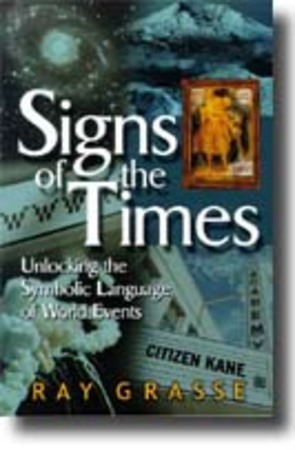
Understanding the grand patterns that shape our world becomes possible when we learn to read the cosmic signs embedded in human history and culture. This profound exploration bridges ancient astrological wisdom with contemporary events, revealing how celestial cycles mirror the rise and fall of civilizations, cultural movements, and collective human consciousness.
At the heart of this work lies the concept of the Great Ages, vast astronomical cycles spanning roughly two thousand years each, during which humanity experiences profound shifts in values, beliefs, and social structures. By examining these transitions, particularly our current movement from the Age of Pisces into the Age of Aquarius, readers gain a framework for understanding the tumultuous changes characterizing our era. The book demonstrates that what often appears as chaos or breakdown may actually represent the birth pangs of a new consciousness struggling to emerge.
Drawing upon decades of research and observation, this comprehensive study illuminates how astrological symbolism manifests throughout history, art, religion, and politics. Readers discover fascinating connections between planetary cycles and the emergence of revolutionary movements, spiritual awakenings, and cultural transformations. The exploration extends beyond simple correlation to reveal deeper patterns of meaning that suggest an intelligent design woven through the fabric of time itself.
One particularly compelling aspect involves the examination of historical figures and events through an astrological lens. By analyzing the birth charts of influential leaders, artists, and thinkers alongside the planetary configurations present during pivotal moments in history, a rich tapestry of synchronicity emerges. These examples serve not as proof of determinism but rather as evidence of a participatory universe where consciousness and cosmos dance in intricate partnership.
The work also addresses the skepticism surrounding astrology in modern scientific culture, offering thoughtful responses to common criticisms while presenting astrology as a symbolic language capable of describing qualities of time and consciousness. Rather than reducing astrology to fortune-telling or personality typing, the presentation elevates it to a sophisticated tool for understanding the collective psyche and the archetypal forces shaping human experience.
Readers particularly interested in cultural studies will appreciate the detailed analysis of how different Great Ages produced distinct religious, philosophical, and artistic expressions. The symbolism of the fish in early Christianity corresponds remarkably with the Piscean Age, while the emerging Aquarian themes of technology, democracy, and global interconnection manifest increasingly in contemporary society. These observations invite contemplation about what values and innovations the new age might fully birth in centuries to come.
Beyond historical analysis, the book offers practical wisdom for navigating personal transformation within these larger cycles. Understanding that individual consciousness participates in collective evolutionary movements provides context for personal struggles and awakenings. The perspective gained helps readers recognize their own growth processes as part of humanity's broader spiritual evolution, lending meaning and purpose to what might otherwise seem like isolated challenges.
The integration of Eastern and Western wisdom traditions enriches the exploration, drawing upon Hindu concepts of yugas, Buddhist teachings on impermanence, and Western hermetic philosophy. This synthesis creates a truly holistic vision of cosmic order that transcends any single cultural perspective while honoring the universal truths embedded in diverse traditions.
For those seeking to understand our current global crises, ecological challenges, and social upheavals, this work provides an invaluable framework. Rather than viewing contemporary problems as evidence of terminal decline, readers gain perspective on these difficulties as transformational pressures inherent in transitioning between ages. This understanding can transform despair into engaged hope, recognizing that conscious participation in evolutionary change represents humanity's greatest opportunity and responsibility.
The implications extend into daily life, encouraging readers to attune themselves to synchronistic patterns, recognize archetypal themes in personal experience, and align with the emerging consciousness of our time. Ultimately, this represents far more than intellectual speculation about cosmic cycles. It offers a transformative vision of reality where meaning permeates existence, individual lives connect to universal patterns, and humanity stands poised at the threshold of unprecedented awakening.