
Happiness & Success
Achieving Happiness Through Acceptance of Life
The quest for happiness often leads to frustration, as many fail to realize that the...








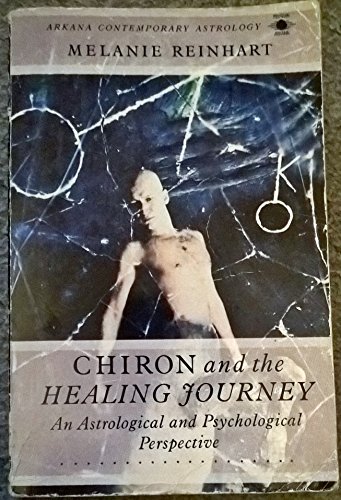
The mythological figure of Chiron, the wounded healer, offers profound insights into the nature of healing, wholeness, and personal transformation. In astrology, the planetoid Chiron represents our deepest wounds and our greatest gifts as healers, creating a powerful symbolic bridge between suffering and transcendence. This groundbreaking exploration brings ancient wisdom into contemporary psychological and spiritual practice, revealing how our most painful experiences can become portals to healing not only ourselves but others as well.
At the heart of this work lies the paradox that those who suffer most deeply often develop the greatest capacity for compassion and healing. Chiron, despite being immortal and possessing vast knowledge of healing arts, carried an incurable wound throughout his existence. This mythological reality mirrors our human experience: we each carry wounds that may never fully heal in conventional terms, yet these very wounds can awaken our deepest wisdom and most authentic power. Understanding this paradox transforms how we relate to our pain, moving from victimhood to empowered healership.
Readers will discover how Chiron's placement in their astrological birth chart illuminates specific areas of wounding and potential mastery. The interpretation combines psychological depth with spiritual insight, revealing patterns that may have remained unconscious for years. These patterns often relate to feelings of being different, marginalized, or somehow inadequate—the experience of the wounded outsider who must forge a unique path. Yet within this very alienation lies the seed of shamanic power and the ability to bridge worlds that others cannot reach.
Read more ▼
The quest for happiness often leads to frustration, as many fail to realize that the...

Reaching sixty can evoke complex emotions, blending relief with ongoing ambition. This...

The quest for life's purpose often leads to unsatisfactory answers. This article...

Romantic love is a complex emotion shaped by historical, cultural, and biological...

Imagine going through one of the most physically and emotionally demanding experiences...

Daily actions often conflict with personal beliefs due to past experiences. By utilizing...

Have you ever argued over something that wasn't actually said? From cultural differences...

Therapists often use dream interpretation to delve into patients' emotions, but true...