
Happiness & Success
Achieving Happiness Through Acceptance of Life
The quest for happiness often leads to frustration, as many fail to realize that the...








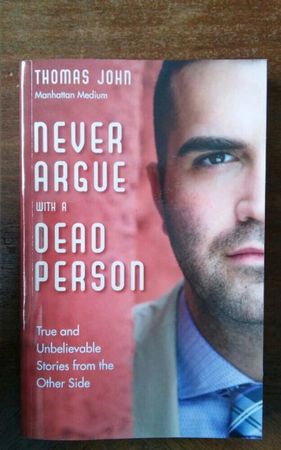
Grief has a way of keeping us trapped in conversations that never quite resolve. We replay arguments, rehearse apologies never delivered, and struggle with words left unsaid when someone we love passes away. This powerful guide offers a fresh perspective on healing these open wounds by teaching readers how to shift their relationship with loss, forgiveness, and communication beyond the veil of death.
Drawing from years of experience connecting the living with those who have crossed over, this work reveals essential truths about why clinging to unresolved conflicts with deceased loved ones only prolongs our suffering. The central premise challenges readers to recognize that attempting to win arguments or seeking validation from those who have passed keeps us energetically bound to pain rather than moving toward peace. Through compelling real-life stories and practical wisdom, readers discover how to release these futile battles and instead open themselves to genuine healing and connection.
What makes this approach particularly transformative is its emphasis on personal responsibility in the grieving process. Rather than positioning readers as passive recipients waiting for signs or messages, the guidance empowers individuals to actively participate in their own healing journey. Readers learn that forgiveness isn't about condoning hurtful behavior or pretending pain didn't exist; instead, it's about liberating ourselves from the exhausting weight of resentment and regret. The insights shared illuminate how our deceased loved ones no longer carry earthly grudges or petty concerns, having transitioned to a state of unconditional love and understanding.
Read more ▼
Alexandra Horowitz

Isaac E. Nwokogba

Mike Bara
The quest for happiness often leads to frustration, as many fail to realize that the...

Reaching sixty can evoke complex emotions, blending relief with ongoing ambition. This...

The quest for life's purpose often leads to unsatisfactory answers. This article...

Romantic love is a complex emotion shaped by historical, cultural, and biological...

Imagine going through one of the most physically and emotionally demanding experiences...

Daily actions often conflict with personal beliefs due to past experiences. By utilizing...

Have you ever argued over something that wasn't actually said? From cultural differences...

Therapists often use dream interpretation to delve into patients' emotions, but true...