
Happiness & Success
Achieving Happiness Through Acceptance of Life
The quest for happiness often leads to frustration, as many fail to realize that the...








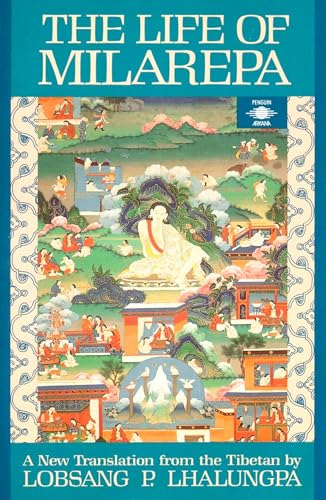
Journey into one of the most extraordinary spiritual biographies ever written, a masterwork that chronicles the transformation of a vengeful murderer into Tibet's most beloved saint and yogi. This powerful narrative demonstrates that no matter how far we may have fallen or how grievous our past actions, complete transformation remains possible through dedication, practice, and unwavering commitment to the spiritual path.
The story begins in eleventh-century Tibet with a young man whose early life was marked by profound suffering and injustice. After his father's death, cruel relatives seized his family's property, reducing him, his mother, and sister to servitude and poverty. Driven by his mother's rage and desire for revenge, he learned black magic and used these dark powers to kill those who had wronged his family. Yet this act of vengeance brought not satisfaction but overwhelming remorse, setting the stage for one of history's most remarkable spiritual transformations.
What unfolds is an unflinching account of the arduous path from darkness to enlightenment. The narrative details the seeker's encounter with his principal teacher, a demanding master who subjected him to years of seemingly impossible trials and tasks. Readers witness the construction and destruction of stone towers, episodes that tested patience, devotion, and determination to their absolute limits. These trials weren't arbitrary cruelty but essential purification of past karmic debts and the forging of unshakeable resolve.
Read more ▼
Richard M. Moss

John Holland, Cindy Pearlman
Charlotte J. Beck, Steven A. Smith

Larkin Barnett
The quest for happiness often leads to frustration, as many fail to realize that the...

Reaching sixty can evoke complex emotions, blending relief with ongoing ambition. This...

The quest for life's purpose often leads to unsatisfactory answers. This article...

Imagine going through one of the most physically and emotionally demanding experiences...

Romantic love is a complex emotion shaped by historical, cultural, and biological...

Daily actions often conflict with personal beliefs due to past experiences. By utilizing...

Have you ever argued over something that wasn't actually said? From cultural differences...

Therapists often use dream interpretation to delve into patients' emotions, but true...