
Happiness & Success
Achieving Happiness Through Acceptance of Life
The quest for happiness often leads to frustration, as many fail to realize that the...








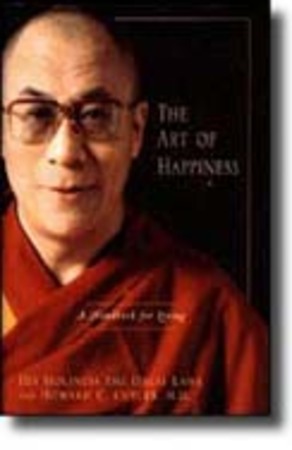
At the intersection of ancient Buddhist wisdom and modern Western psychology lies a profound exploration of what it means to live a truly happy life. This groundbreaking work presents a series of conversations that bridge two vastly different worldviews, offering readers a practical roadmap for cultivating genuine, lasting happiness in their daily lives.
The foundation of this exploration rests on a revolutionary premise: happiness is not something that simply happens to us, nor is it dependent on external circumstances. Instead, happiness is a skill that can be systematically trained and developed through the disciplined application of specific mental practices and perspectives. This approach challenges the common Western assumption that happiness comes from acquiring wealth, status, or the perfect relationship, instead proposing that our inner mental state is the primary determinant of our wellbeing.
Through a series of illuminating dialogues, readers are introduced to the Buddhist concept that the very purpose of life is to seek happiness. However, this isn't the fleeting pleasure that comes from sensory gratification or temporary achievements. Rather, it refers to a deep sense of contentment and inner peace that can remain stable even amid life's inevitable difficulties and challenges. This distinction between momentary pleasure and enduring happiness forms a crucial framework throughout the discussions.
Read more ▼
Michael Pollan

Morris Micklewhite and the Tangerine dress
Isabelle Malenfant

Know What You Want and Get It!
Norman Monath
Alan Watts
The quest for happiness often leads to frustration, as many fail to realize that the...

Reaching sixty can evoke complex emotions, blending relief with ongoing ambition. This...

The quest for life's purpose often leads to unsatisfactory answers. This article...

Romantic love is a complex emotion shaped by historical, cultural, and biological...

Imagine going through one of the most physically and emotionally demanding experiences...

Daily actions often conflict with personal beliefs due to past experiences. By utilizing...

Have you ever argued over something that wasn't actually said? From cultural differences...

Therapists often use dream interpretation to delve into patients' emotions, but true...