
Happiness & Success
Achieving Happiness Through Acceptance of Life
The quest for happiness often leads to frustration, as many fail to realize that the...








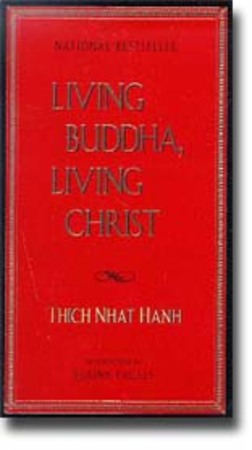
Deep spiritual wisdom transcends the boundaries of individual religious traditions, revealing universal truths that can transform how we live, love, and find meaning in our daily existence. This profound exploration invites readers into a groundbreaking dialogue between two of humanity's greatest spiritual traditions: Buddhism and Christianity. Rather than highlighting differences or promoting one path over another, this work demonstrates how these ancient teachings complement and illuminate each other, offering practitioners of either tradition—or both—a richer, more nuanced understanding of spiritual life.
At the heart of this exploration lies a revolutionary premise: the historical Buddha and the historical Jesus share far more in common than most people realize. Both devoted their lives to alleviating human suffering. Both taught compassion, mindfulness, and love as fundamental practices. Both challenged the religious establishments of their time to return to authentic spiritual experience rather than empty ritual. By examining these parallels with scholarly depth yet accessible prose, readers discover that interfaith understanding isn't merely about tolerance—it's about mutual enrichment and deeper truth.
Through careful examination of core teachings from both traditions, readers encounter fresh interpretations of familiar concepts. The Christian practice of the Holy Spirit finds resonance with Buddhist mindfulness. The Buddhist concept of interbeing illuminates Jesus's teachings about the kingdom of God being present here and now. Meditation practices from the East shed new light on Christian contemplative prayer. The result is neither a watering down of either tradition nor an artificial synthesis, but rather an invitation to see each tradition more clearly through the lens of the other.
Read more ▼
Dr. Marni Feuerman

Remembrance of Things Past Volumes 1-3 Box Set
Marcel Proust

Barbara Sher, Annie Gottlieb

Kenneth Pollack
The quest for happiness often leads to frustration, as many fail to realize that the...

Reaching sixty can evoke complex emotions, blending relief with ongoing ambition. This...

The quest for life's purpose often leads to unsatisfactory answers. This article...

Imagine going through one of the most physically and emotionally demanding experiences...

Romantic love is a complex emotion shaped by historical, cultural, and biological...

Daily actions often conflict with personal beliefs due to past experiences. By utilizing...

Have you ever argued over something that wasn't actually said? From cultural differences...

Therapists often use dream interpretation to delve into patients' emotions, but true...