
Happiness & Success
Achieving Happiness Through Acceptance of Life
The quest for happiness often leads to frustration, as many fail to realize that the...








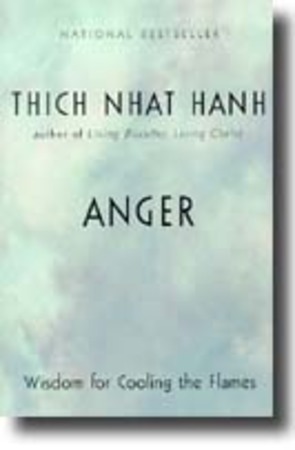
Anger is perhaps one of the most destructive emotions we experience, capable of poisoning relationships, disrupting inner peace, and creating suffering for ourselves and those around us. Yet most of us have never been taught how to work with this powerful force in a constructive way. Through the lens of Buddhist psychology and decades of teaching mindfulness practices, readers are offered a revolutionary approach to transforming anger into understanding, compassion, and positive change.
At the heart of this transformative guide lies a profound truth: anger is not something to be suppressed or violently expressed, but rather an energy that can be recognized, embraced, and transmuted. Drawing on traditional Buddhist teachings adapted for Western audiences, the approach presented here treats anger as you would a crying baby—with gentle attention and care rather than punishment or neglect. This fundamental shift in perspective opens up entirely new possibilities for emotional healing and personal growth.
The practical wisdom shared within these pages demonstrates how mindfulness—the practice of present-moment awareness—serves as the essential tool for working with anger. Readers learn specific techniques for recognizing the first sparks of anger in the body and mind, allowing them to intervene before the emotion escalates into destructive words or actions. Through conscious breathing and mindful walking, anyone can create a space between stimulus and response, reclaiming power over their emotional reactions.
Read more ▼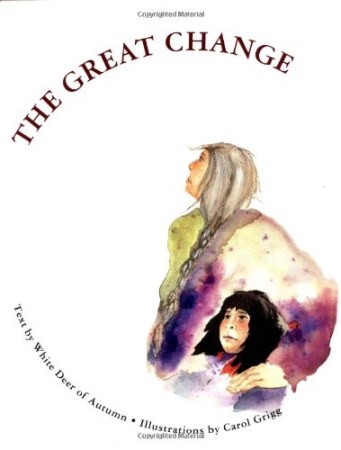
White Deer of Autumn.
Amy Wong
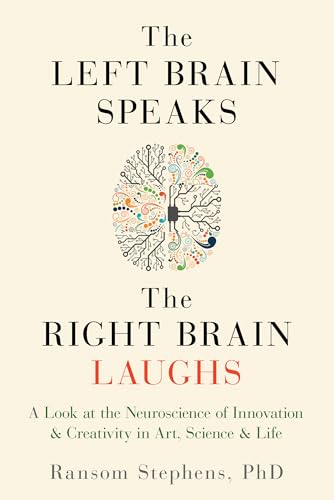
Left Brain Speaks, the Right Brain Laughs
Ransom Stephens
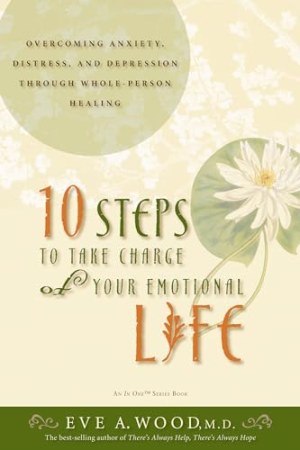
10 Steps to Take Charge of Your Emotional Life
Eve A. Wood
The quest for happiness often leads to frustration, as many fail to realize that the...

Reaching sixty can evoke complex emotions, blending relief with ongoing ambition. This...

The quest for life's purpose often leads to unsatisfactory answers. This article...

Imagine going through one of the most physically and emotionally demanding experiences...

Romantic love is a complex emotion shaped by historical, cultural, and biological...

Daily actions often conflict with personal beliefs due to past experiences. By utilizing...

Have you ever argued over something that wasn't actually said? From cultural differences...

Therapists often use dream interpretation to delve into patients' emotions, but true...