


Happiness & Success
Achieving Happiness Through Acceptance of Life
The quest for happiness often leads to frustration, as many fail to realize that the...









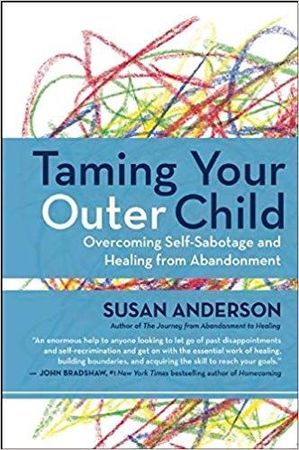
Discovering genuine pleasure in life often requires us to reconnect with our bodies and embrace the full spectrum of sensory experience that makes us feel truly alive. This groundbreaking exploration of body-centered psychology reveals how many of us have become disconnected from our capacity for joy, intimacy, and fulfillment by suppressing our natural responses to pleasure and pain. Through a compassionate lens that draws on both clinical psychology and somatic awareness, readers are invited on a journey to reclaim their birthright to experience deep satisfaction in all areas of life, particularly in relationships and intimate connections.
At the heart of this transformative work lies the concept that our bodies hold wisdom that our minds often ignore or suppress. From early childhood, many people learn to disconnect from bodily sensations as a survival mechanism, creating patterns of numbness and avoidance that persist into adulthood. These protective strategies, while once necessary, eventually become barriers to experiencing authentic intimacy, emotional connection, and physical pleasure. By understanding how these patterns developed and learning practical techniques to release them, individuals can rediscover their capacity for profound joy and connection.
Readers will explore the five core bodily pleasures that form the foundation of human well-being: breathing, moving, feeling, desiring, and expressing. Each of these fundamental experiences contributes to overall vitality and relationship satisfaction, yet cultural conditioning and personal history often cause people to restrict or shut down these natural processes. Through guided exercises and reflective practices, individuals learn to recognize where they hold tension, where they've numbed themselves, and how to gently restore full sensation and aliveness.
Read more ▼
The quest for happiness often leads to frustration, as many fail to realize that the...

Reaching sixty can evoke complex emotions, blending relief with ongoing ambition. This...

The quest for life's purpose often leads to unsatisfactory answers. This article...

Romantic love is a complex emotion shaped by historical, cultural, and biological...

Imagine going through one of the most physically and emotionally demanding experiences...

Daily actions often conflict with personal beliefs due to past experiences. By utilizing...

Have you ever argued over something that wasn't actually said? From cultural differences...

Therapists often use dream interpretation to delve into patients' emotions, but true...