
Happiness & Success
Achieving Happiness Through Acceptance of Life
The quest for happiness often leads to frustration, as many fail to realize that the...









The integrity of democratic systems stands as one of the most fundamental pillars supporting our collective freedom and personal autonomy. When the mechanisms through which we express our political will become compromised, corrupted, or simply fail to function properly, the ripple effects touch every aspect of our lives—from the policies that shape our communities to our basic sense of agency in the world. Understanding the vulnerabilities in voting systems represents far more than an academic exercise; it speaks directly to our capacity to participate meaningfully in shaping the society we wish to inhabit.
At the heart of modern democracy lies an often-overlooked technical infrastructure that determines whether our voices are genuinely heard. Electronic voting systems, punch card ballots, optical scanners, and various tabulation methods form the invisible architecture of civic participation. Yet most citizens remain unaware of how these systems actually work, their inherent weaknesses, and the stunning ease with which they can malfunction or be manipulated. This knowledge gap leaves us vulnerable and disempowered, unable to advocate effectively for the security and reliability of our democratic processes.
What emerges from a comprehensive examination of voting technology is a sobering picture of systemic vulnerabilities that have affected real elections with real consequences. From hanging chads to software glitches, from poorly designed ballot layouts that confuse voters to electronic systems that leave no paper trail for verification, the catalogue of potential and actual failures reveals how fragile our democratic infrastructure truly is. Understanding these technical realities empowers citizens to ask the right questions, demand accountability, and push for meaningful reforms.
Read more ▼
Philip Carr-Gomm
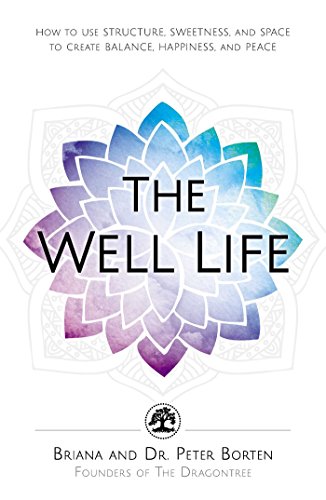
Brianna Borten, Peter Borten

Seven Elemental Forces of Huna
Susanne Weikl

D. Patrick Miller
The quest for happiness often leads to frustration, as many fail to realize that the...

Reaching sixty can evoke complex emotions, blending relief with ongoing ambition. This...

The quest for life's purpose often leads to unsatisfactory answers. This article...

Imagine going through one of the most physically and emotionally demanding experiences...

Romantic love is a complex emotion shaped by historical, cultural, and biological...

Daily actions often conflict with personal beliefs due to past experiences. By utilizing...

Have you ever argued over something that wasn't actually said? From cultural differences...

Therapists often use dream interpretation to delve into patients' emotions, but true...