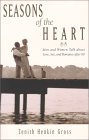
Through the lens of Jewish wisdom and the rhythms of the Hebrew calendar, readers discover a profound pathway to personal transformation that honors both ancient traditions and contemporary spiritual seeking. This exploration weaves together timeless teachings, personal reflection, and practical guidance for those ready to align their inner journey with the natural cycles of time and spirit.
The Jewish calendar offers far more than dates for religious observances. Each season, holiday, and sacred moment contains layers of psychological insight, spiritual wisdom, and opportunities for growth that speak to universal human experiences. By examining these cycles through both traditional interpretation and modern understanding, readers gain access to a framework for personal development that has sustained and nurtured communities for millennia while remaining remarkably relevant to contemporary life challenges.
What emerges is a blueprint for living with greater intention, authenticity, and connection to something larger than ourselves. The journey begins with understanding how different times of the year carry distinct energies and themes. From the introspective quality of the fall High Holy Days to the liberation themes of Passover in spring, from the joyous celebration of receiving Torah at Shavuot to the contemplative depths of the winter season, each period offers specific invitations for inner work and outer expression.
Readers learn to recognize patterns in their own lives that mirror these ancient cycles. The work of teshuva, or return and repentance, associated with the Days of Awe becomes a practical methodology for honest self-examination and course correction available to anyone seeking positive change. The concept of freedom explored through the Passover narrative transforms from historical memory into a living question: What enslaves us today? What pharaohs, internal and external, prevent us from reaching our promised land? How do we cultivate the courage to cross our own Red Seas?
The wisdom shared goes beyond intellectual understanding to offer experiential practices, meditations, and reflections that help integrate these teachings into daily life. Readers discover how to create personal rituals that mark transitions and honor the sacred in ordinary moments. They learn to work with themes of gratitude, forgiveness, joy, grief, hope, and renewal in ways that feel authentic and transformative.
Particularly valuable is the exploration of how community and solitude, tradition and innovation, masculine and feminine energies, justice and compassion all find their place within this cyclical framework. Rather than presenting spirituality as an escape from worldly concerns, the approach offered here demonstrates how sacred time consciousness can deepen engagement with relationships, work, social responsibility, and creative expression.
The material addresses common struggles many face on the path of personal empowerment: feeling disconnected from meaning and purpose, experiencing spiritual emptiness despite material success, struggling with guilt or shame, searching for authentic community, longing for practices that nourish rather than merely obligate, and seeking wisdom that honors both head and heart.
Women's voices and experiences receive particular attention, acknowledging how traditional interpretations sometimes excluded or minimized feminine perspectives. By reclaiming and reimagining ancient texts and practices through contemporary eyes, new dimensions of meaning emerge that speak powerfully to modern spiritual seekers regardless of gender.
Throughout, the emphasis remains on practical application rather than academic study. Readers aren't asked to become scholars of Judaism but rather to become students of their own souls, using these time-tested frameworks as mirrors for self-discovery and catalysts for growth. The teachings become tools for developing greater self-awareness, emotional intelligence, ethical clarity, and spiritual depth.
This approach proves especially valuable for those who may have distanced themselves from religious backgrounds yet still hunger for spiritual substance and community connection. It offers a way back to tradition that doesn't require abandoning critical thinking or personal authenticity. Equally, it provides those from other backgrounds access to a rich wisdom tradition that complements and enriches their existing spiritual practices.
Ultimately, what readers gain is a way of living more consciously in time, recognizing that our lives move not just linearly forward but in spirals that return to familiar themes at deepening levels. Each year, each cycle, each season offers fresh opportunities for healing, growth, and transformation when we learn to listen to their particular messages and invitations.