
Happiness & Success
Achieving Happiness Through Acceptance of Life
The quest for happiness often leads to frustration, as many fail to realize that the...








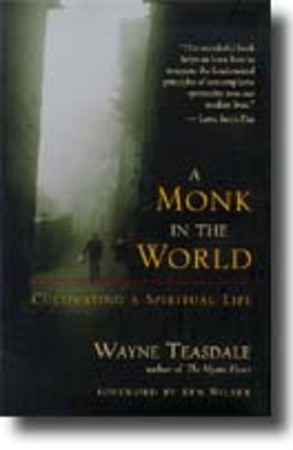
Imagine living a deeply spiritual life while fully engaged with the demands and complexities of modern existence. This vision of integration between contemplative practice and worldly responsibility forms the heart of a transformative approach to spirituality that bridges ancient monastic wisdom with contemporary life.
At its core lies a compelling invitation to adopt what might be called a "monk in the world" consciousness—a way of being that honors the profound disciplines of monastic traditions while recognizing that most of us will never live in monasteries or retreat centers. Instead, our spiritual practice must unfold in the midst of careers, relationships, family obligations, and social responsibilities. This approach demonstrates that the contemplative life need not be sequestered behind monastery walls but can flourish in offices, homes, and communities everywhere.
Drawing from the deep wells of multiple religious traditions, including Christianity, Buddhism, Hinduism, and indigenous spiritualities, readers discover a practical framework for developing what is termed "interspirituality"—the recognition that while religions differ in their external forms and practices, they share common ground in their emphasis on compassion, self-awareness, and transformation. This universal perspective doesn't ask anyone to abandon their particular faith tradition but rather to deepen their understanding by recognizing the threads of wisdom running through all authentic spiritual paths.
Read more ▼
The only way to... learn about tomorrow
Marion March
Joshua M. Greene

Chris Fontanella
Anne D. LeClaire
The quest for happiness often leads to frustration, as many fail to realize that the...

Reaching sixty can evoke complex emotions, blending relief with ongoing ambition. This...

The quest for life's purpose often leads to unsatisfactory answers. This article...

Romantic love is a complex emotion shaped by historical, cultural, and biological...

Imagine going through one of the most physically and emotionally demanding experiences...

Have you ever argued over something that wasn't actually said? From cultural differences...

Daily actions often conflict with personal beliefs due to past experiences. By utilizing...

Therapists often use dream interpretation to delve into patients' emotions, but true...