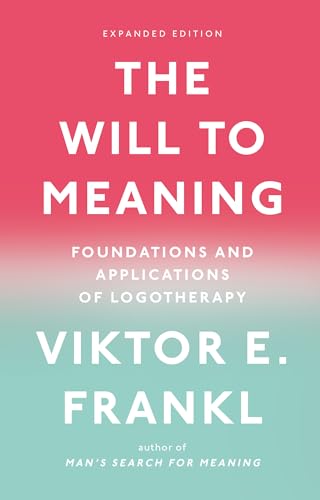
Discovering authentic purpose and meaning in life remains one of humanity's most profound quests, particularly in an age characterized by material abundance yet spiritual emptiness. This groundbreaking exploration into logotherapy—a therapeutic approach centered on the search for meaning—offers readers a transformative pathway through the existential challenges that define modern existence.
At the heart of this work lies a revolutionary psychological framework that positions the search for meaning as the primary motivational force in human life. Unlike approaches that reduce human motivation to pleasure-seeking or power dynamics, this perspective acknowledges our deepest need: to find significance and purpose in our experiences, relationships, and suffering. Readers encounter a compassionate yet intellectually rigorous examination of why people feel empty despite external success, and more importantly, how they can transcend this existential vacuum.
The exploration begins by addressing a widespread phenomenon in contemporary society—the feeling of inner emptiness, futility, and meaninglessness that affects people across all demographics and socioeconomic levels. This existential frustration manifests in various ways: addiction, aggression, depression, and a general sense that life lacks direction. Rather than pathologizing these experiences, the material presented here recognizes them as symptoms of unfulfilled spiritual needs and offers practical wisdom for addressing these fundamental human concerns.
Throughout these pages, readers discover that meaning cannot be pursued directly or manufactured through willpower alone. Instead, meaning emerges through three primary avenues: creating work or accomplishing tasks that matter, experiencing love and connection with others and the world, and transforming unavoidable suffering into achievement through the attitudes we adopt. This tripartite framework provides concrete guidance for finding purpose regardless of one's circumstances.
Particularly powerful is the examination of how individuals can maintain dignity and discover meaning even in the most challenging situations. Drawing from profound observations of human resilience, the text demonstrates that our freedom to choose our attitude in any given set of circumstances remains our ultimate human freedom. This insight proves especially valuable for readers facing illness, loss, or seemingly insurmountable obstacles. The message resonates clearly: we cannot always control what happens to us, but we retain the power to decide how we respond.
The psychological framework presented here also addresses the tension between determinism and human freedom. Rather than viewing people as merely products of biological drives, social conditioning, or unconscious forces, this approach recognizes our capacity for self-transcendence—the uniquely human ability to reach beyond ourselves toward meaning. Readers learn to recognize and activate this capacity in their own lives, discovering greater agency and responsibility for their personal growth.
For those struggling with questions of spirituality, the material offers a bridge between psychology and the human search for transcendence without imposing any particular religious doctrine. The spiritual dimension of human existence receives serious attention while respecting individual beliefs and paths. This inclusive approach makes the wisdom accessible to readers from diverse backgrounds, whether deeply religious, spiritual but not religious, or secular in orientation.
Practical applications permeate the theoretical foundations. Readers gain tools for self-examination, including techniques for discovering their unique purpose, methods for maintaining meaning during difficult transitions, and strategies for helping others—whether family members, friends, or professional clients—find their own paths to significance. The emphasis on personal responsibility combined with compassionate understanding creates a balanced approach that empowers without overwhelming.
The relevance of these insights extends beyond individual therapy to broader social consciousness. Understanding that much contemporary social dysfunction stems from meaninglessness suggests that cultivating purpose represents not just personal development but social healing. Communities, organizations, and societies function more humanely when individuals within them live purposefully rather than desperately seeking distraction from inner emptiness.
Readers emerge from this exploration equipped with both philosophical understanding and practical wisdom for navigating life's inevitable challenges while maintaining hope, dignity, and purpose. The transformative potential lies not in easy answers but in a profound reorientation toward what makes human existence worthwhile—the eternal human capacity to find meaning even in suffering, to choose freedom even within limitation, and to transcend ourselves through commitment to something greater than mere survival or comfort.