
Happiness & Success
Achieving Happiness Through Acceptance of Life
The quest for happiness often leads to frustration, as many fail to realize that the...








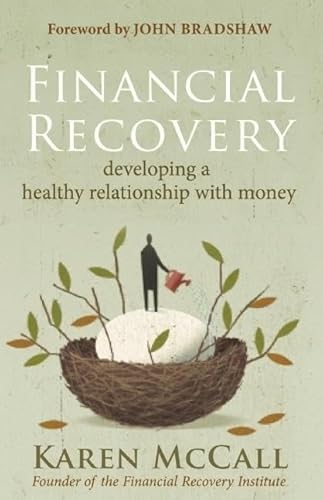
Money troubles create stress that permeates every aspect of our lives, affecting our physical health, emotional well-being, relationships, and spiritual peace. When financial chaos becomes a chronic condition, it manifests as sleepless nights, anxiety attacks, strained marriages, and a persistent sense of shame that keeps us isolated from others. What many people don't realize is that destructive financial patterns often have roots that go far deeper than simple mathematical errors or lack of budgeting skills. They stem from emotional wounds, family patterns, and unconscious beliefs that drive us to repeat the same painful cycles regardless of how much money we earn.
This comprehensive guide introduces a revolutionary twelve-step approach to healing financial distress that addresses both the practical and psychological dimensions of money struggles. Rather than offering another conventional budgeting system or get-rich-quick scheme, the methodology presented here recognizes that true financial recovery requires healing the underlying emotional and spiritual issues that fuel destructive money behaviors. Just as addictions to substances or behaviors require more than willpower to overcome, compulsive spending, debting, underearning, and financial chaos demand a holistic healing process.
Readers will discover how childhood experiences and family dynamics shape their adult relationship with money in profound ways. The messages received about worthiness, abundance, scarcity, and self-care during formative years create deep neural pathways that automatically govern financial decisions decades later. Through guided exercises and reflective practices, individuals learn to identify these unconscious patterns and begin the transformative work of creating new, healthier responses.
Read more ▼
Erika J. Chopich

Atul Gawande

Peter Levine, Maggie Kline

Shirley Trickett
The quest for happiness often leads to frustration, as many fail to realize that the...

Reaching sixty can evoke complex emotions, blending relief with ongoing ambition. This...

The quest for life's purpose often leads to unsatisfactory answers. This article...

Imagine going through one of the most physically and emotionally demanding experiences...

Romantic love is a complex emotion shaped by historical, cultural, and biological...

Daily actions often conflict with personal beliefs due to past experiences. By utilizing...

Have you ever argued over something that wasn't actually said? From cultural differences...

Therapists often use dream interpretation to delve into patients' emotions, but true...