

Happiness & Success
Achieving Happiness Through Acceptance of Life
The quest for happiness often leads to frustration, as many fail to realize that the...









Men experience grief differently than women, yet society often provides them with few tools or permission to fully process their pain. This groundbreaking resource opens a compassionate window into the male grieving process, offering validation, understanding, and practical guidance for men navigating loss while dismantling the harmful cultural expectations that tell men to be stoic, strong, and silent in the face of devastating emotional pain.
The exploration begins with an honest examination of how cultural conditioning shapes masculine responses to grief. From early childhood, boys receive messages that crying is weakness, that emotional vulnerability threatens their manhood, and that they should quickly "move on" from painful experiences. These deeply ingrained beliefs create a profound disconnect between what men actually feel when experiencing loss and what they believe they are permitted to express. This disconnect can lead to isolation, depression, physical health problems, and destructive coping mechanisms that compound rather than resolve grief.
Through extensive research and interviews with grieving men, readers discover that male grief often manifests in ways that differ from typical descriptions found in mainstream grief literature. While women may more readily seek social support and express emotions through tears and conversation, men frequently channel their grief through action, work, anger, or withdrawal. Understanding these patterns not only validates male experiences but also helps men recognize their own grief responses as legitimate and normal rather than deficient or problematic.
Read more ▼
Wayne Teasdale
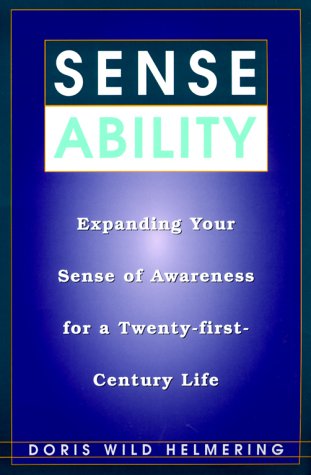
Doris Wild Helmering

Thomas E. Mails
The quest for happiness often leads to frustration, as many fail to realize that the...

Reaching sixty can evoke complex emotions, blending relief with ongoing ambition. This...

The quest for life's purpose often leads to unsatisfactory answers. This article...

Imagine going through one of the most physically and emotionally demanding experiences...

Romantic love is a complex emotion shaped by historical, cultural, and biological...

Daily actions often conflict with personal beliefs due to past experiences. By utilizing...

Have you ever argued over something that wasn't actually said? From cultural differences...

Therapists often use dream interpretation to delve into patients' emotions, but true...